RuggedRides Export
 English
 Français
 العربية
 Português
 Русский
 Español
 Deutsch
 Indonesia
Sourcing a used Toyota Land Cruiser 300 from China for delivery to Kazakhstan has become a workable route for dealers and fleet buyers, provided the unit, the paperwork and the border steps are handled in the right order. This guide walks through what the LC300 is, why it suits Kazakhstan operating conditions, how to inspect a used unit before paying a deposit, and how the EAEU customs and certification process typically runs. It is written for trade buyers who need a repeatable process rather than a one-off purchase.
Why the Land Cruiser 300 fits Kazakhstan duty cycles
Kazakhstan asks a single vehicle to cover long intercity asphalt, broken rural roads and open steppe tracks, often in deep winter cold. The LC300, built on Toyota's body-on-frame GA-F architecture, is designed for exactly that mix: full-time four-wheel drive, generous ground clearance and a rigid frame. Two engine families dominate export stock — the 3.3L V6 twin-turbo diesel and the 3.5L V6 twin-turbo petrol, both paired with a ten-speed automatic. Trim names you will see on export paperwork include GX-R, VX, ZX and GR Sport.
For fleet buyers, the practical arguments are cold-start reliability, parts availability through Toyota's regional footprint, and strong resale across Central Asia. Diesel units tend to suit high-mileage intercity and rural work; petrol units suit buyers whose local service network supports them better. The right choice depends on your route profile and workshop support, not on a single headline specification.
Where used LHD 4x4 stock fits in
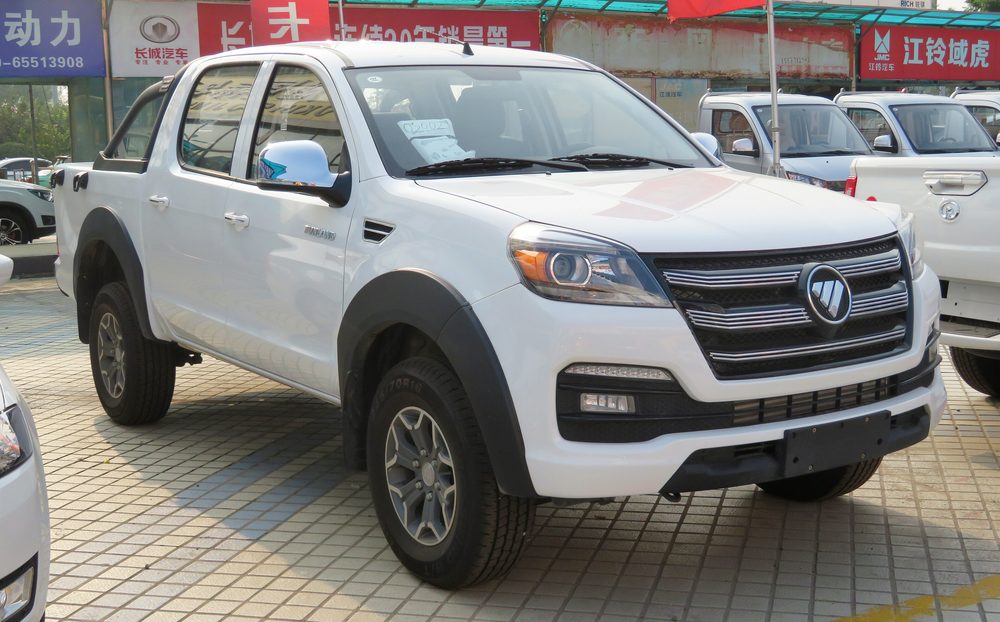
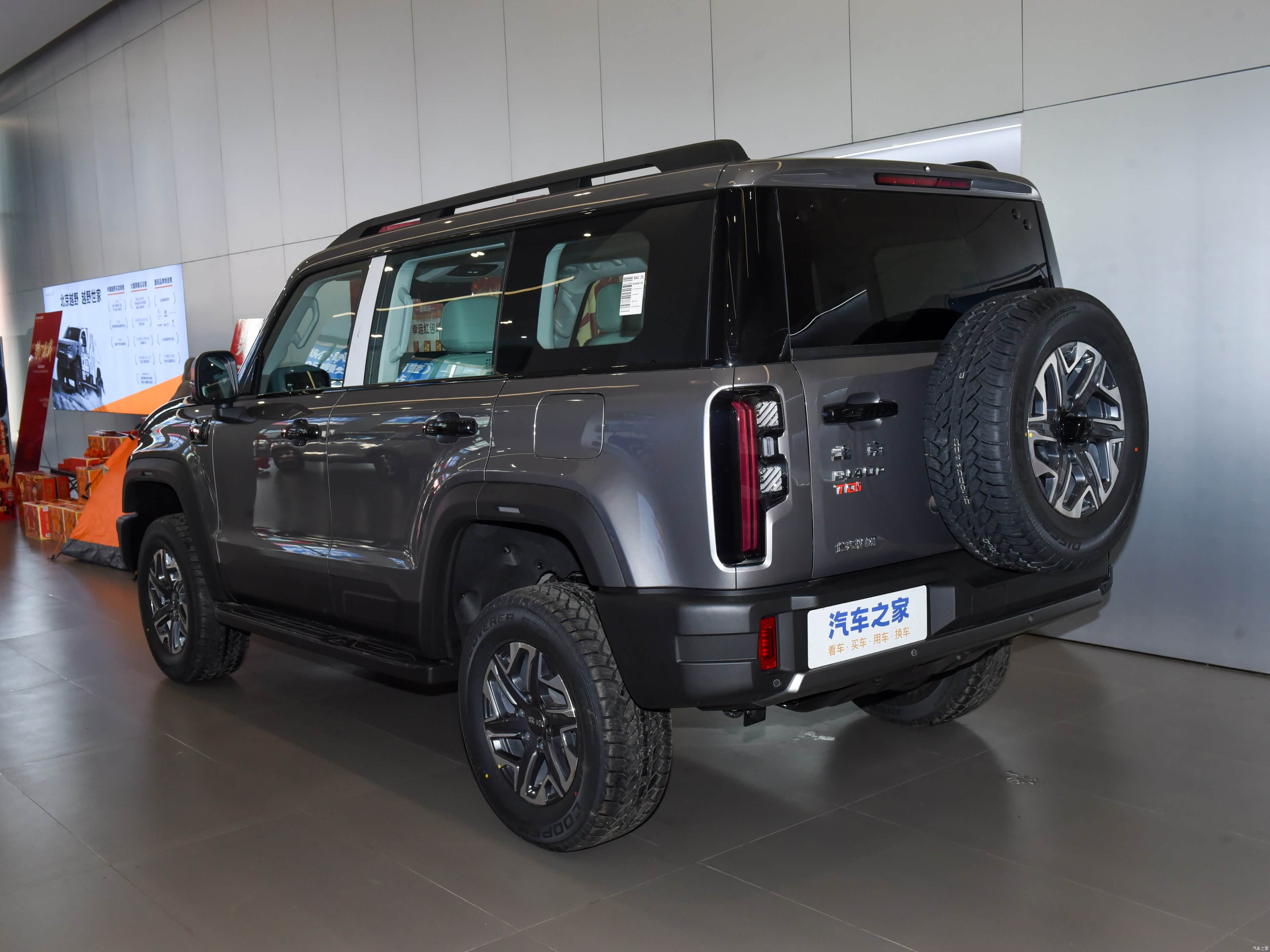
RuggedRides Export holds a physical used LHD 4x4 stock that includes the Land Cruiser alongside the Tank 300, Prado, Patrol, BJ40, Wrangler and Gladiator, each with a stock number and real photos. All units are left-hand drive; there is no RHD supply. Used units are priced on request, because condition, mileage, trim and engine move the number materially. New China pickups and 4x4 SUVs from GWM, JAC, Foton, Dongfeng, JMC, Maxus, ZX Auto and Changan are quoted with FOB ranges. Browse the current used 4x4 line-up at /4x4/ and the new pickup range at /pickups/.
Inspecting a used LC300 before deposit
Third-party inspection before deposit is available, and it is the single most useful protection a buyer has. Whether you use our documented inspection or an independent agency, the checklist below is the minimum for an LC300.
- VIN and engine number match. Confirm the chassis stamp, door-pillar plate and documents agree, and that the engine number matches the registration record.
- Service history continuity. Ask for stamped or digital records; gaps around major intervals are both a risk flag and a negotiating point.
- Diesel cold start. On the diesel, start from cold and watch for excessive smoke or a rough idle that does not settle.
- Transmission behaviour. The ten-speed should shift smoothly under light and hard throttle, with no flare or shudder.
- Four-wheel drive and locks. Engage 4WD and any diff lock; confirm dashboard indicators and no driveline binding on a tight turn.
- Frame and underbody. Inspect the frame, crossmembers and suspension mounts for impact damage, weld repairs or corrosion.
- Accident and repaint check. Use a paint depth gauge across panels, check panel gaps and bolt witness marks.
- Electronics. Verify multimedia, cameras, sensors, climate and driver-assist functions operate.
- Tyres, brakes and fluids. Match tyre dates and wear, check pad and disc life, and look for leaks after a run.
We document these checks with photos and video on every unit before any deposit is requested. For a closer look at the model, see /vehicles/toyota-land-cruiser-300-prado-250.
Kazakhstan customs and certification steps
Kazakhstan is a member of the Eurasian Economic Union customs union, so vehicle imports follow the union's common customs tariff plus national taxes. In practical terms, a used LC300 entering Kazakhstan attracts import customs duty, VAT, excise duty linked to engine displacement, and a recycling or utilisation fee plus first-registration costs before the vehicle can be plated. The duty calculation for used vehicles depends partly on engine displacement and age, so a 2021 and a 2024 car can land at materially different totals. The export desk confirms the applicable figures per order, and we recommend confirming the current calculation with a licensed Kazakhstan customs broker before you commit.
On the certification side, registering an imported vehicle in Kazakhstan requires an SBKTS vehicle structure safety certificate recognised across the EAEU, aligned with the VIN and the import declaration. Because the LC300 is a globally homologated model, arranging this through an accredited certification body is routine, but it must be done correctly. A pre-shipment inspection at China origin is not a Kazakhstan legal requirement, but it gives you a third-party record of condition, mileage and VIN before the vehicle leaves the yard.
Routes to Almaty and Astana
Two routes are commonly used. The Caspian route moves the vehicle from an eastern China port to Aktau in western Kazakhstan, then inland to Almaty or Astana; it suits buyers who want roll-on/roll-off or container handling and predictable port documentation. The overland route via the Khorgos crossing on the China–Kazakhstan border is faster for buyers prioritising speed. Transit times and freight figures vary with method, season and delivery city, so the export desk confirms them per order. Route planning support is available at /destinations/ and /logistics/.
Payment and landed cost
A typical deal is a deposit to secure the unit after you approve the inspection, then the balance before shipment, by international bank transfer. Larger or first-time orders can be structured under a letter of credit for bank-backed security on both sides. We invoice in USD and keep payment evidence consistent with the customs declaration. For CIF quotations, marine insurance is included at the standard CIF uplift over the insured value; the exact basis is confirmed on the quote. A landed-cost estimate should always separate ex-yard price, freight and handling, certification and inspection, and Kazakhstan duty, VAT and excise. Use the /calculator/ for a first-pass estimate, then ask the export desk for an itemised quote.
Documents you should receive
- Export invoice
- Packing list
- Bill of lading
- Certificate of origin
Keep these consistent with the customs declaration and the certification file. Mismatches between invoice, VIN and declaration are the most common cause of delay at the border.
Frequently asked questions
Diesel or petrol for Kazakhstan?
For high-mileage intercity and rural use, the diesel usually wins on torque and running cost and copes well with deep cold. The petrol is smoother and more powerful. Choose by route profile and by which engine your regional service network supports best.
Is the SBKTS required?
Yes. It is part of the EAEU conformity requirement for registering an imported vehicle in Kazakhstan, and it must match your VIN and import documents.
How long does delivery take?
Transit varies by route, season and customs processing. The export desk confirms the expected window for your unit and delivery city.
Can you handle the whole process?
We source and inspect the unit in China, arrange certification and optional third-party inspection, book the route, and coordinate with your Kazakhstan customs broker through clearance and registration. Start with /import/ or send your target engine, year and delivery city via /contact. General answers are in /answers/.
All vehicles are LHD. Used units are price on request; new models carry FOB ranges. Duty rates, VAT, transit times and warranty terms vary by order and are confirmed by the export desk.