RuggedRides Export
 English
 Français
 العربية
 Português
 Русский
 Español
 Deutsch
 Indonesia
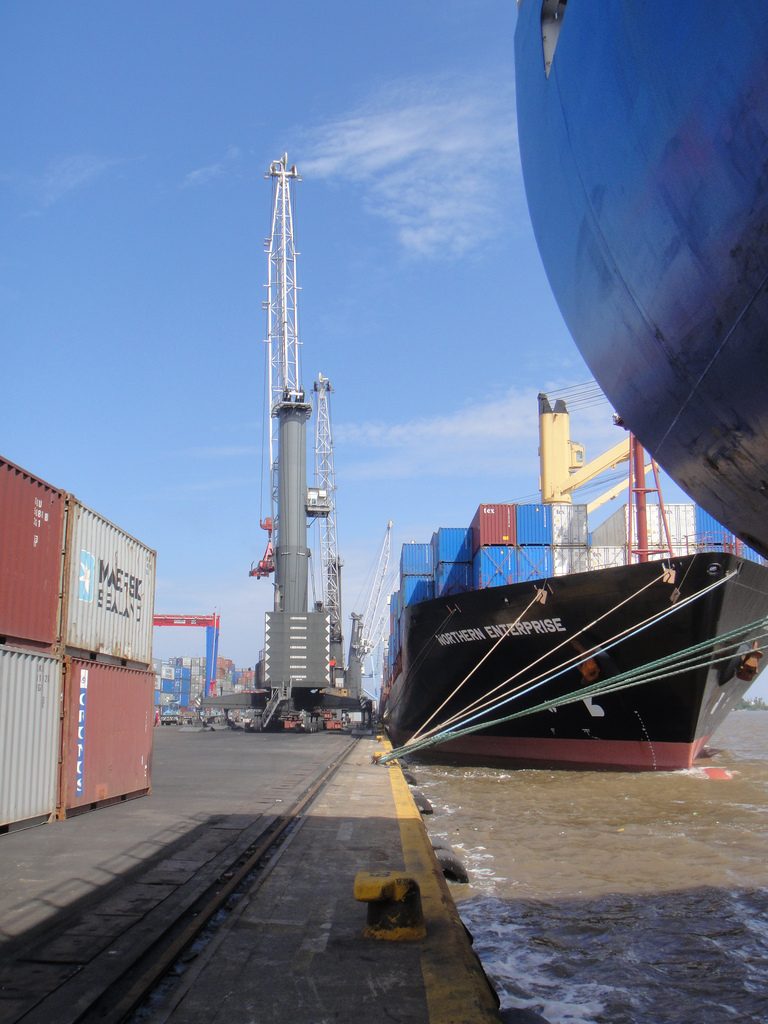
If you are sourcing new China pickups or 4x4 off-road SUVs for resale or fleet use, one of the first commercial decisions you will face is the Incoterm. CIF and FOB are the two terms most commonly quoted by Chinese exporters, and the choice affects your landed cost, your control over shipping, and how risk moves between you and the seller. This post explains the difference in practical terms for dealers and fleet buyers, without the sales language.
What CIF and FOB actually mean
Incoterms are standardized trade rules that allocate cost and risk between buyer and seller. For vehicle exports from China, the two you will see most often are:
- FOB (Free On Board) – the seller delivers the vehicle on board the vessel at the named Chinese port. From that point, cost and risk pass to you. You arrange and pay ocean freight, insurance and import clearance.
- CIF (Cost, Insurance and Freight) – the seller contracts and pays for freight and marine insurance to the destination port. Risk still passes to you once the goods are on board, but the seller controls the shipping contract and the insurance policy.
In short: FOB gives you control and responsibility. CIF is more hands-off, but you depend on the seller's freight and insurance choices. RuggedRides Export quotes both structures, and the export desk confirms the applicable terms for each order.
Where the cost difference really comes from
CIF often looks simpler because one number covers everything. The trade-off is transparency. Under CIF, freight and insurance are bundled into the vehicle price, so it is harder to see whether the shipping component reflects the market rate or carries a margin. Under FOB, you see the vehicle price and the freight separately, and you can benchmark the freight against your own forwarder's quote.
For fleet buyers moving multiple units, that visibility matters. Freight is usually the largest variable outside the vehicle itself, and it moves with route, season and vessel availability. The export desk confirms current freight indications per order rather than publishing fixed figures, because rates change too quickly to be reliable in a static article.
Questions to ask before you accept a CIF quote
- What is the vehicle price and what is the freight component, itemized separately?
- Which carrier and which routing are being used, and is transshipment involved?
- What risks does the marine insurance policy cover, and what are the deductibles?
- Which destination charges remain my responsibility after arrival?
If the seller cannot break the CIF price down, treat that as a signal to compare an FOB quote from the same supplier.
Risk transfer is the same; control is not
Under both terms, risk passes to the buyer once the vehicles are loaded on board at the origin port. The difference is operational control. With FOB you choose the shipping line, negotiate the freight, decide whether a slower and cheaper service is acceptable, and select an insurance policy that fits your cargo. With CIF, the seller makes those choices, and you inherit the consequences if a vessel is delayed or a policy is narrower than you assumed.
For buyers shipping into ports with variable congestion, control over the shipping contract is often worth more than a small saving on the invoice. Being able to track a vessel and adjust schedules is a practical advantage when you have customers waiting on delivery.
When FOB is the better fit
- You already work with a freight forwarder and can compare rates.
- You are buying several units and can consolidate or negotiate volume freight.
- You want to choose your own insurance cover and understand the policy terms.
- You want a clear separation between vehicle cost and logistics cost for your own accounting.
FOB also suits buyers who combine sea freight with inland or rail legs, since you control the whole chain from the Chinese port onward.
When CIF is the better fit
- You are importing for the first time and do not yet have a forwarder.
- You are buying a single unit and want one invoice and one point of contact.
- Your destination port is well served by the carriers the seller uses.
- You prefer to finance the total cost under one contract.
CIF is workable, but only with a transparent breakdown. Ask for it in writing before you pay a deposit.
Documents and payment milestones
Whichever term you choose, the document set should be consistent: export invoice, packing list, bill of lading and certificate of origin. Additional destination-specific documents may be required, and the export desk confirms what applies to your market per order.
Align payment with the Incoterm. Under FOB, a common structure is a deposit to reserve the unit and the balance against the bill of lading. Under CIF, make sure the insurance certificate is included in the document package before you release the balance. Third-party inspection before deposit is available if you want independent confirmation of condition, particularly on used units.
New pickups versus used LHD 4x4 stock
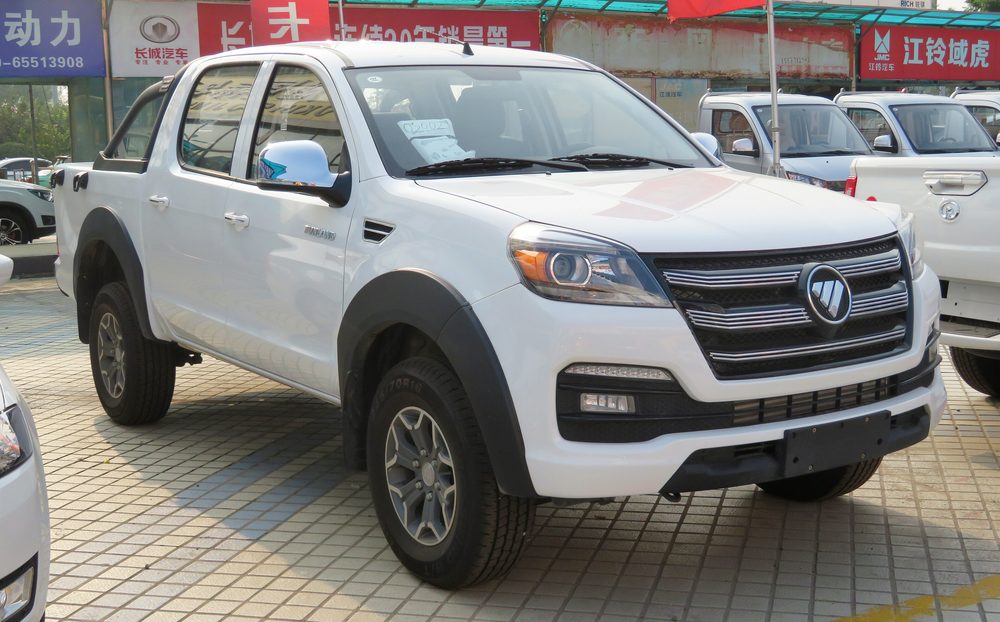
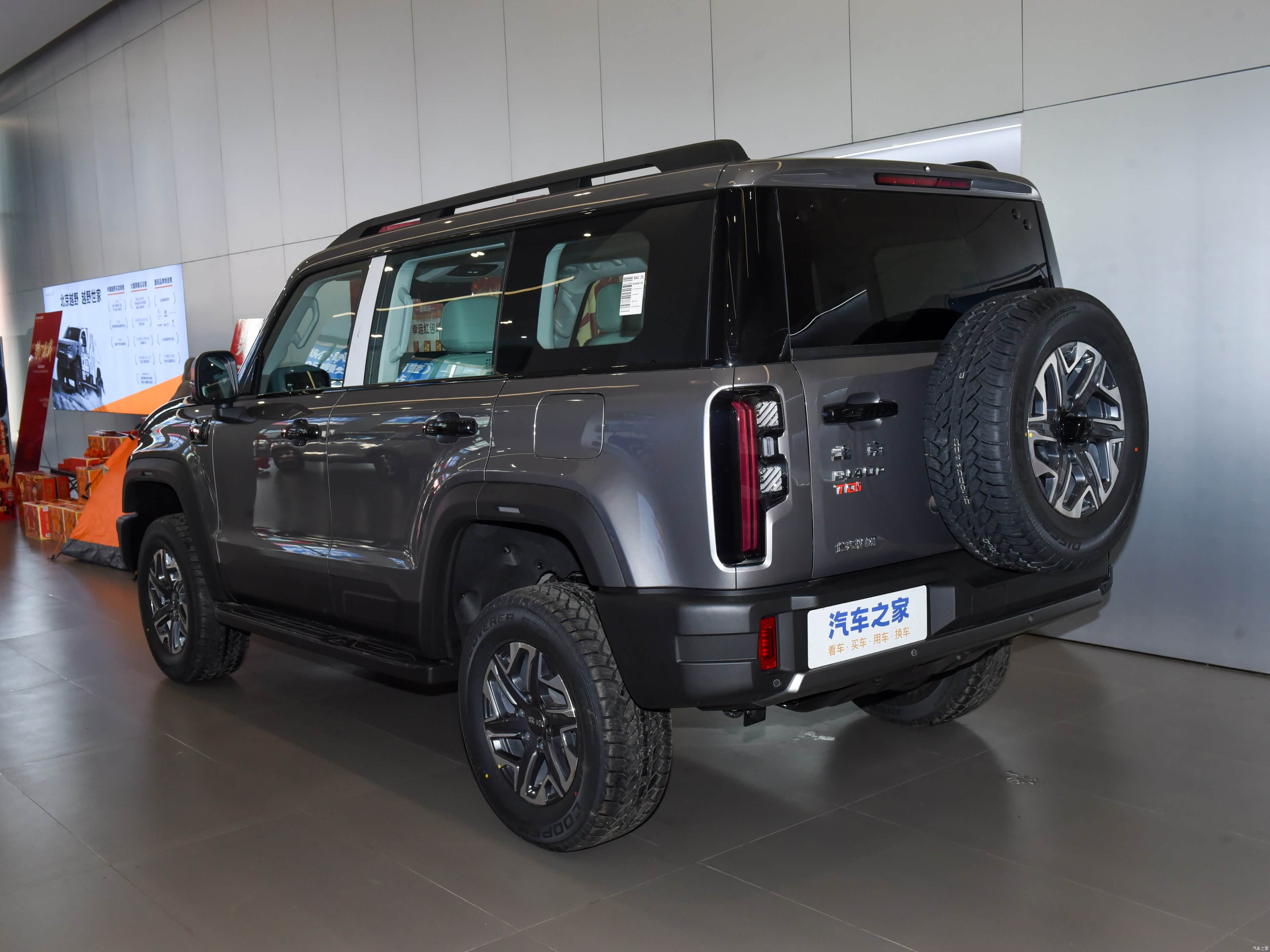
RuggedRides Export supplies new China pickups and 4x4 SUVs from GWM, JAC, Foton, Dongfeng, JMC, Maxus, ZX Auto, Changan and others, with FOB ranges by model. We also hold a physical used LHD 4x4 stock, including Tank 300, Prado (2016–2019), BJ40, Land Cruiser, Patrol, Wrangler and Gladiator. Each used unit carries a stock number and real photos, and used pricing is on request.
For used units, FOB is often the cleaner structure because you can inspect the vehicle, confirm the stock number, and then control the shipping leg yourself. Browse the current used inventory at /4x4/, or review new pickups at /pickups/ and new 4x4 models at /4x4/.
Popular used LHD references
- Used Prado 2016–2019
- Tank 300 4x4
- BAIC BJ40 4x4
- Nissan Patrol
- Land Cruiser 300 / Prado 250
- Land Cruiser 70
A simple decision framework
| Factor | FOB | CIF |
|---|---|---|
| Freight visibility | Separate, benchmarkable | Bundled, ask for breakdown |
| Carrier choice | Buyer | Seller |
| Insurance | Buyer selects policy | Seller's policy applies |
| Best for | Experienced importers, multi-unit orders | First-time or single-unit buyers |
Duty rates, VAT, transit times and warranty terms vary by order and destination, and are confirmed by the export desk. For route-level guidance, see /destinations/ and /answers/. You can also review the import process at /import and run indicative numbers through /calculator/.
Next step
Tell the export desk your destination port, model and quantity, and ask for both an FOB and a CIF indication so you can compare on equal terms. All vehicles are left-hand drive; we do not supply RHD. Contact the team via /contact to confirm terms, documents and inspection arrangements for your order.