RuggedRides Export
 English
 Français
 العربية
 Português
 Русский
 Español
 Deutsch
 Indonesia
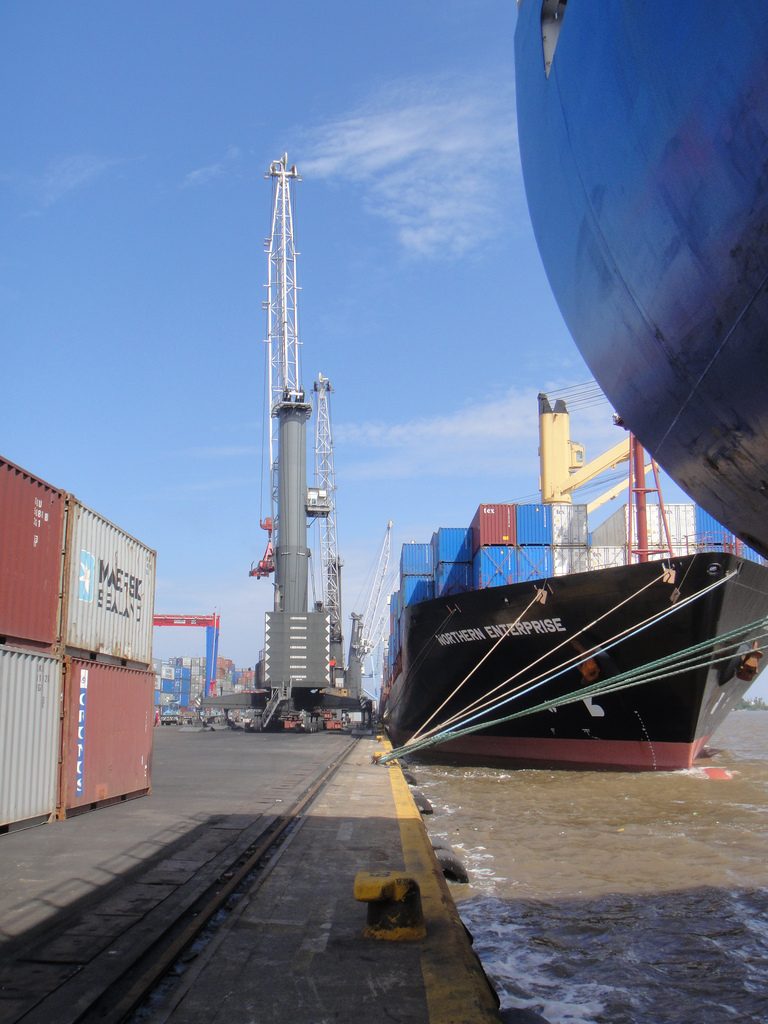
If you are a dealer or fleet buyer planning to bring Chinese pickups or 4x4 SUVs into Kenya, KEBS PVoC conformity is the step that decides whether your units move from the port of export to Mombasa on schedule or sit waiting for paperwork. The Kenya Bureau of Standards requires regulated goods, including vehicles, to pass Pre-Export Verification of Conformity before shipment. For a shipment of new GWM, JAC, Foton, Dongfeng, JMC, Maxus, ZX Auto or Changan units, or a used LHD 4x4 drawn from our physical stock, the PVoC route is the same in principle: inspect at origin, certify, then ship. This post walks through the practical workflow we use at RuggedRides Export so your Kenya order is prepared correctly the first time.
What KEBS PVoC Means for a Vehicle Shipment
PVoC is a pre-shipment check carried out in the country of export by an agency appointed by KEBS. It confirms that the vehicles presented match the declared specifications and meet the applicable Kenyan technical requirements. The certificate issued covers one shipment. Without it, clearance at Mombasa becomes a problem, and storage charges accumulate while the file is resolved.
Two points matter for our buyers. First, all vehicles we supply are left-hand drive; we do not offer right-hand drive. Second, the scope of inspection differs between new and used units. New pickups and SUVs are checked against the declared model configuration, while used units are also assessed on condition and roadworthiness. Because the exact requirements and any current enforcement priorities are set by KEBS and can change, the export desk confirms the applicable checklist for your order before inspection is booked.
New Versus Used: Two Different Files
New China pickups and 4x4 SUVs
For new vehicles, the conformity file is built around the model specification: make, model, year, VIN, engine number, configuration and photographs. We supply the export invoice, packing list and certificate of origin, and these documents must agree with what the inspection agency sees at the yard. Any mismatch between the invoice description and the physical unit is a common cause of delay, so we reconcile documents before the vehicle is presented.
Our new lineup covers the pickup and 4x4 ranges on the pickups and 4x4 pages. FOB ranges are quoted per model, and the export desk confirms the final figure for your configuration and quantity.
Used LHD 4x4 stock
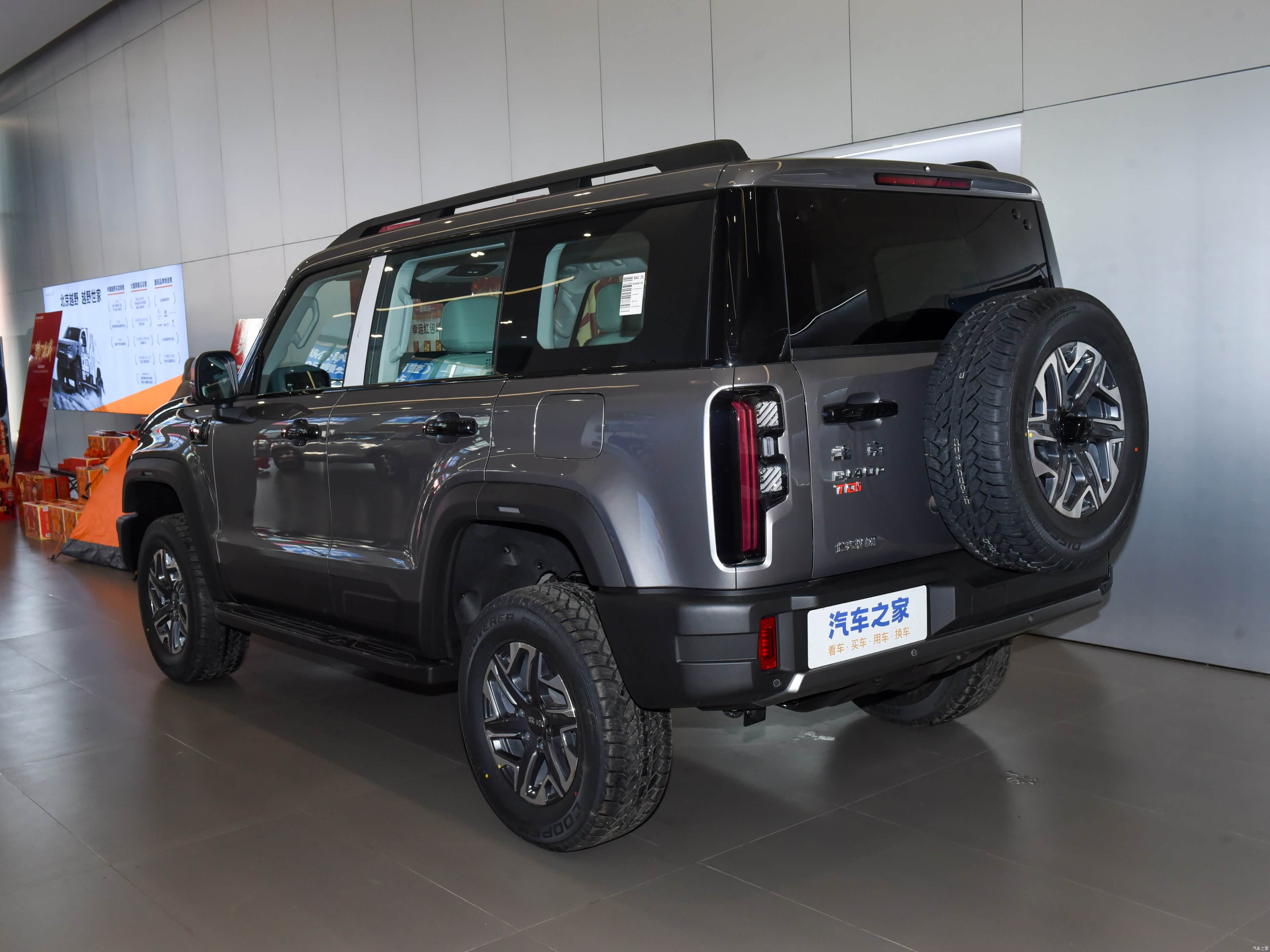
We hold a physical used left-hand-drive 4x4 stock, each unit carrying a stock number and real photographs. This includes Tank 300, Prado (2016–2019), BJ40, Land Cruiser, Patrol, Wrangler and Gladiator. Used units are price on request. For Kenya, condition is central to the PVoC outcome, so we present the vehicle for inspection only after a pre-inspection review, and we share photographs and a condition report so you know what is being submitted. Browse the current stock on the 4x4 page, including the used Prado listings.
The PVoC Workflow, Step by Step
- Confirm the order and specification. Agree model, quantity, configuration and destination port. For used units, confirm the stock number.
- Prepare the document set. Export invoice, packing list, certificate of origin and the vehicle identification details. The export desk confirms any additional documents the inspection agency requires for your shipment.
- Book the inspection. We schedule the vehicle for presentation at the export location. Timing depends on agency availability and is confirmed per order.
- Complete the inspection. The agency reviews documents and examines the vehicle. Any observation is reported back to us so it can be addressed before certification.
- Receive the certificate. The PVoC certificate is issued for the shipment and included in the shipping file.
- Ship and clear. The bill of lading and certificate travel with the documents to Mombasa, where KEBS verifies the certificate during clearance.
Processing time and any expedited options are set by the agency and KEBS, and the export desk confirms the expected timeline for your order. We do not publish fixed durations because they vary by shipment and season.
Documents and Inspection: What to Get Right
Most delays trace back to documentation or condition, not to the vehicle itself. The table below summarises the practical checks we apply before presentation.
| Stage | What we check | Why it matters |
|---|---|---|
| Documentation | Invoice, packing list, certificate of origin, VIN and engine number consistency | Mismatches stop the inspection |
| New units | Model configuration matches the declared specification | Confirms conformity scope |
| Used units | Condition report and photographs before presentation | Reduces re-inspection risk |
| Shipping file | Certificate, bill of lading and invoice aligned | Speeds Mombasa clearance |
Third-party inspection before deposit is available if you want independent confirmation of a unit before committing. Ask the export desk to arrange it.
Costs, Duties and What the Export Desk Confirms
PVoC fees, Kenyan duty, VAT, freight and the standard CIF marine-insurance uplift all depend on vehicle value, model and shipment. We do not quote these as fixed figures because they are confirmed per order. What we do provide is a clear separation: the vehicle price and the export documentation on our side, and the destination charges on yours. Use the calculator for an initial indication, then request a written confirmation from the export desk for your specific shipment.
Practical rule: treat the PVoC certificate as part of the shipping file, not an afterthought. If it is not ready before the vessel sails, the shipment should wait.
Model Notes for Kenya Buyers
Fleet buyers often ask which units suit mixed road conditions. The Tank 300 4x4 and BAIC BJ40 4x4 are common choices for combined urban and rough-road use, while the Patrol and Land Cruiser 300 / Prado 250 suit heavier duty cycles. The Land Cruiser 70 remains a workhorse option. For used units, the used Prado stock is worth reviewing. All are left-hand drive.
Planning the Shipment Around Conformity
Build your Kenya timeline backwards from the vessel departure. Allow time for document preparation, inspection booking and certificate issuance before the cut-off. If you are consolidating several units, present them together where possible so one certificate covers the shipment. Keep digital copies of every document for clearance. Our destinations page outlines the markets we serve, and the import process page explains the wider workflow.
For questions on a specific model, stock number or document set, see the answers page or contact the export desk. We will confirm the PVoC requirements, timeline and cost for your Kenya order in writing before you commit.