RuggedRides Export
 English
 Français
 العربية
 Português
 Русский
 Español
 Deutsch
 Indonesia
When you source a pickup or 4x4 SUV from China for a hot-climate market, the phrase "GCC spec" or "hot-climate spec" is often used loosely. For overseas dealers and fleet buyers, the practical question is not what the label says, but what has actually been checked, changed and documented on the unit before it leaves the yard. This post explains how pre-export preparation is typically handled at RuggedRides Export, how to verify it, and where the process fits into your order and shipping timeline.
What "Hot-Climate Spec" Actually Means
There is no single universal certificate that makes a vehicle ready for every hot-climate destination. Requirements are set by the importing country and can differ between new and used vehicles, and between vehicle categories. What an exporter can control is the condition and configuration of the vehicle before shipment, plus the paperwork that travels with it.
In practice, pre-export preparation is a checklist of factory specifications and, where needed, workshop adjustments that make a vehicle more suitable for high ambient temperatures, dust and long highway use. Because destination rules vary, the export desk confirms the applicable requirements for your market per order rather than applying a blanket label.
The Three Systems Buyers Ask About Most
Lighting
Headlight configuration matters for both road legality and durability. Buyers should confirm the beam pattern, the light source (halogen, LED or HID) and whether components are original equipment or aftermarket. In hot, dusty and humid conditions, lens condition and housing seals also affect service life. Ask for photos of the actual units and part references where changes have been made, so the file can support registration at destination if local authorities request it.
Air Conditioning
A/C performance is the most common practical concern in hot markets. Capacity, condenser condition and fan operation all affect how quickly a cabin cools in traffic. Where a vehicle's system is not suited to the destination climate, the export desk can confirm what preparation is available and what it involves. Buyers should ask for the refrigerant type, a functional test result and confirmation that the system was checked under load before shipment.
Cooling System and Coolant
Coolant specification, radiator condition, fan operation and hose condition are the components that prevent overheating. A thorough pre-export check includes a pressure test and a record of the coolant used. For turbocharged or heavily loaded vehicles, this check is especially relevant. Ask for the coolant specification and any cooling-system work in writing, since these items are difficult to inspect after arrival.
Other Items Worth Confirming
- Battery and electrical: confirm battery age, cold-cranking rating and alternator condition, particularly for fleet units that will idle with A/C running.
- Tires: check speed rating, age code and tread; replace anything not suited to your market before shipment rather than at destination.
- Glass and interior protection: solar-reflective glass or tint may be optional; confirm what is included.
- Undercarriage and dust sealing: relevant for unpaved-road fleets.
Each of these items can be quoted separately so you can compare offers on a like-for-like basis. The export desk confirms availability and cost per order.
New Versus Used: Two Different Workflows
For new vehicles, configuration is largely a matter of factory options and the specification sheet you approve before production or allocation. Our new pickup and 4x4 SUV lines are listed under pickups and 4x4 SUVs, with FOB ranges confirmed by the export desk for your configuration and quantity.
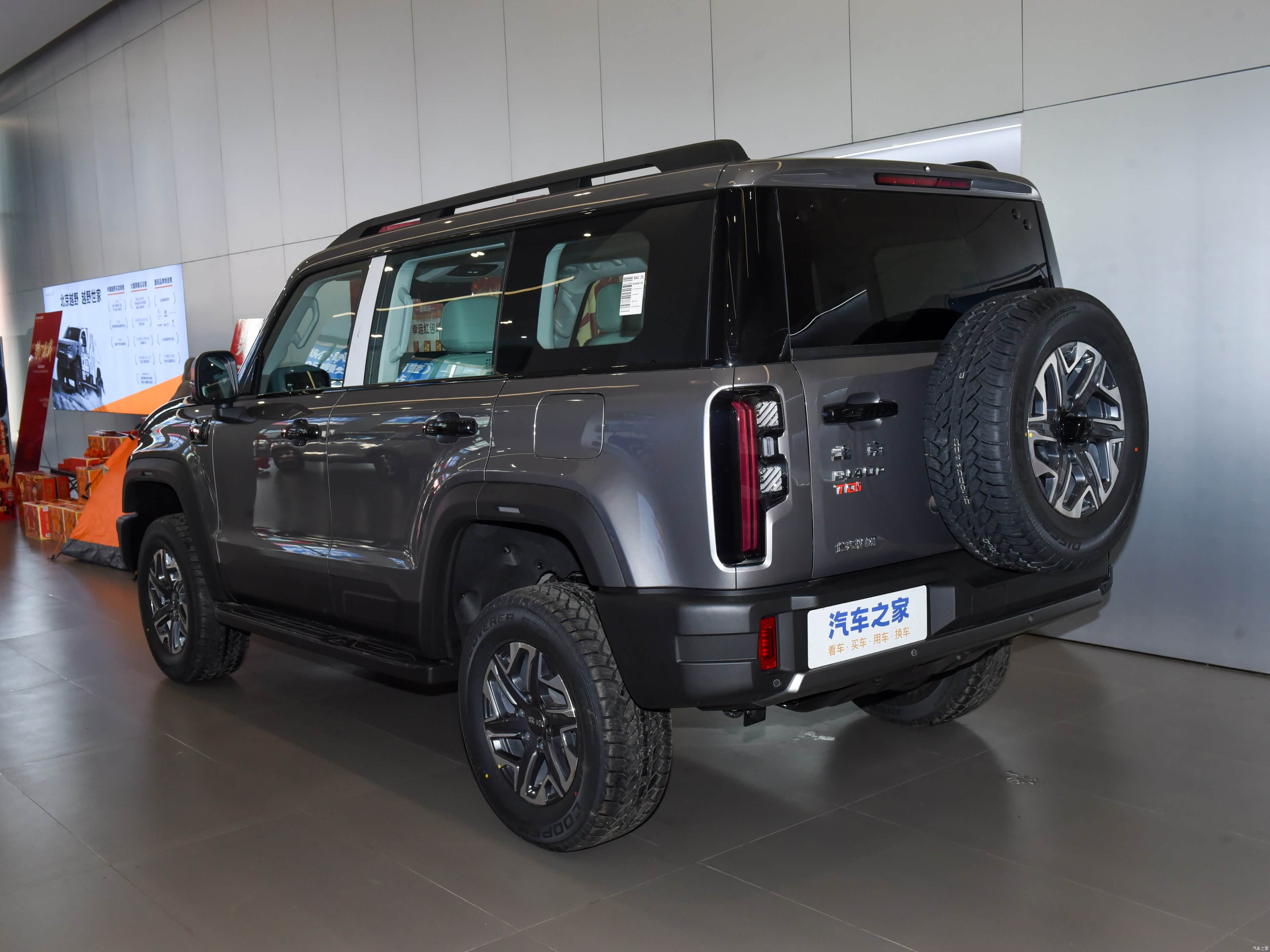
For used units, condition is the variable. RuggedRides Export holds a physical used LHD 4x4 stock, including models such as the Tank 300, used Prado, BJ40, Patrol, Land Cruiser and Land Cruiser 70. Each unit carries a stock number and real photos, and used pricing is available on request. All vehicles we supply are left-hand drive; we do not supply right-hand drive.
Inspection Before Deposit
Third-party inspection before deposit is available. This is the most effective way to verify condition and any preparation work before funds move. A practical inspection request covers:
- Vehicle identity: VIN, stock number and photos matching the listing.
- Mechanical condition: engine, transmission, cooling and A/C function.
- Body and undercarriage condition, including accident history where available.
- Documentation set: export invoice, packing list, bill of lading and certificate of origin.
- Any agreed preparation items, with photos and part references.
Inspection scope and timing are confirmed by the export desk per order.
Documents, Shipping and Destination Clearance
Every shipment is supported by an export invoice, packing list, bill of lading and certificate of origin. Destination authorities may require additional conformity documents or testing; these depend on your country and vehicle category and should be confirmed before you commit. Our destinations pages outline the markets we serve across Africa, the Middle East, Central Asia and Latin America.
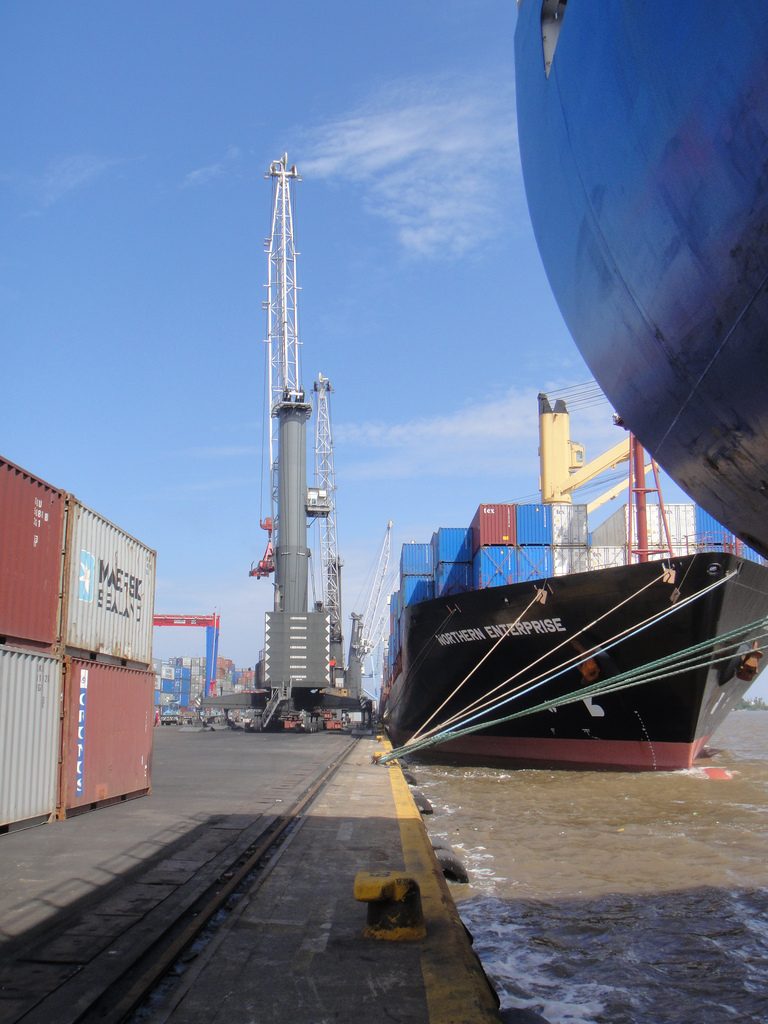
Shipping method, port pair, transit time and freight cost vary by route, vessel schedule and vehicle size, and are confirmed per order. Duty rates, VAT and local clearance fees are set by the destination and should be budgeted separately from the vehicle price. Use the landed cost calculator as a starting framework, then confirm figures with the export desk.
A Practical Buyer Checklist
| Item | What to confirm |
|---|---|
| Specification | Written list of factory spec and any preparation work, with photos |
| Lighting | Beam pattern, light source, OEM or aftermarket |
| A/C | Refrigerant type, functional test result |
| Cooling | Coolant specification, pressure test record |
| Inspection | Third-party inspection scope and report before deposit |
| Documents | Invoice, packing list, bill of lading, certificate of origin |
| Destination | Local conformity and registration requirements |
| Costs | Freight, duty, VAT and clearance confirmed per order |
Buyers who ask for specifics in writing before paying a deposit consistently avoid rework at destination. A clear specification file is worth more than a broad label.
Next Steps
If you are sourcing pickups or 4x4 SUVs for a hot-climate market, start with the model pages, then send your destination, quantity and required specification to the export desk. We will confirm availability, preparation options, documentation and shipping arrangements for your order. For general process questions, see our answers section or the import guide, and contact the export desk to begin.