RuggedRides Export
 English
 Français
 العربية
 Português
 Русский
 Español
 Deutsch
 Indonesia
When you source new pickups or used LHD 4x4 SUVs from China, the party you deal with shapes your total landed cost, your documentation trail and your delivery reliability. Two common routes exist: buying from a direct exporter that controls the supply chain, or buying through a broker that connects you to third parties. This post maps the practical differences for overseas dealers and fleet buyers, without quoting figures that vary by order. Where a number matters, the export desk confirms it per order.
Two routes, one accountability question
A direct exporter owns or controls sourcing, inspection, export documentation and shipping coordination. A broker introduces you to suppliers, forwarders and agents, often without holding stock or assets. Brokers can save time if you lack market knowledge, but their model depends on markups at several steps. The key question is not which label a company uses, but who is accountable when a document is wrong, a unit is delayed or a specification does not match.
For fleet buyers, accountability matters most on repeat orders. A single point of contact that can confirm stock, photos, documents and shipping status reduces the risk of gaps between parties.
Sourcing and stock transparency
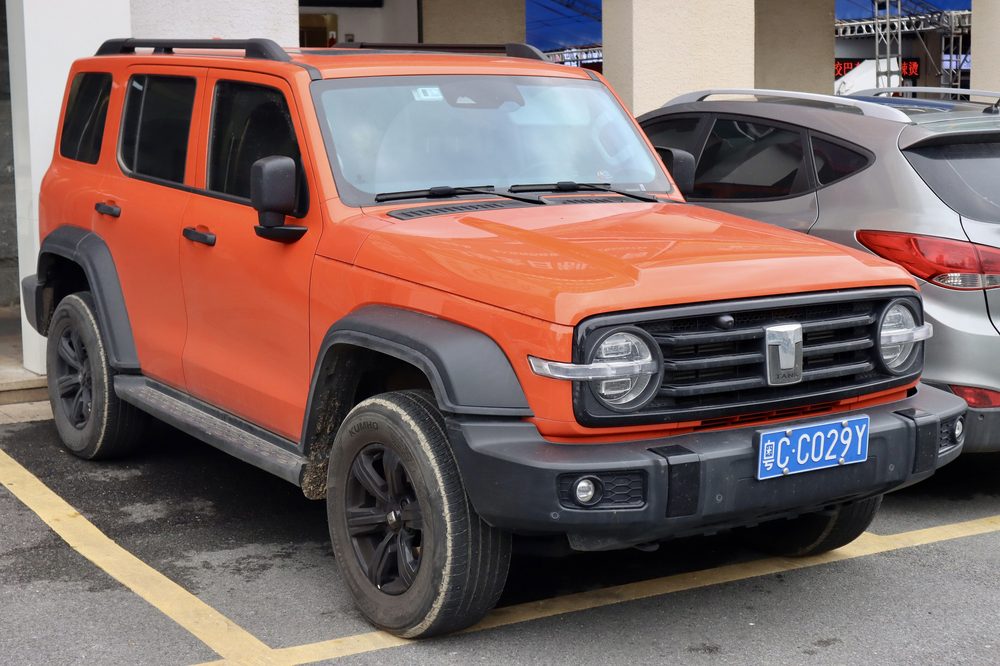
Direct exporters typically source from manufacturers, authorized dealers or their own stock. For new vehicles, ask for the model year, configuration and FOB range in writing. For used units, ask for the stock number, real photos and the VIN. RuggedRides Export holds a physical used LHD 4x4 stock that includes Tank 300, Prado (2016-2019), BJ40, Land Cruiser, Patrol, Wrangler and Gladiator, each with a stock number and real photos. You can review the used inventory at /4x4/.
Brokers may quote a vehicle price without disclosing the underlying source or margin. That is not automatically a problem, but it makes comparison harder. Ask every seller to state whether the unit is in stock, where it is located and whether photos are of the actual unit.
Logistics and shipping coordination
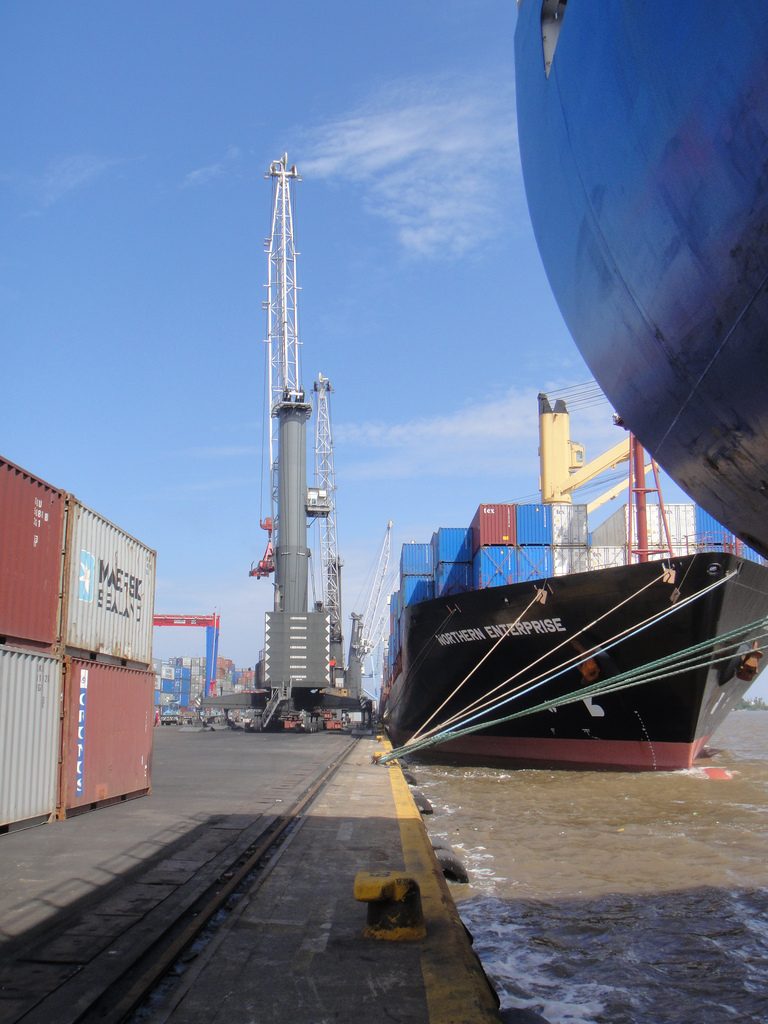
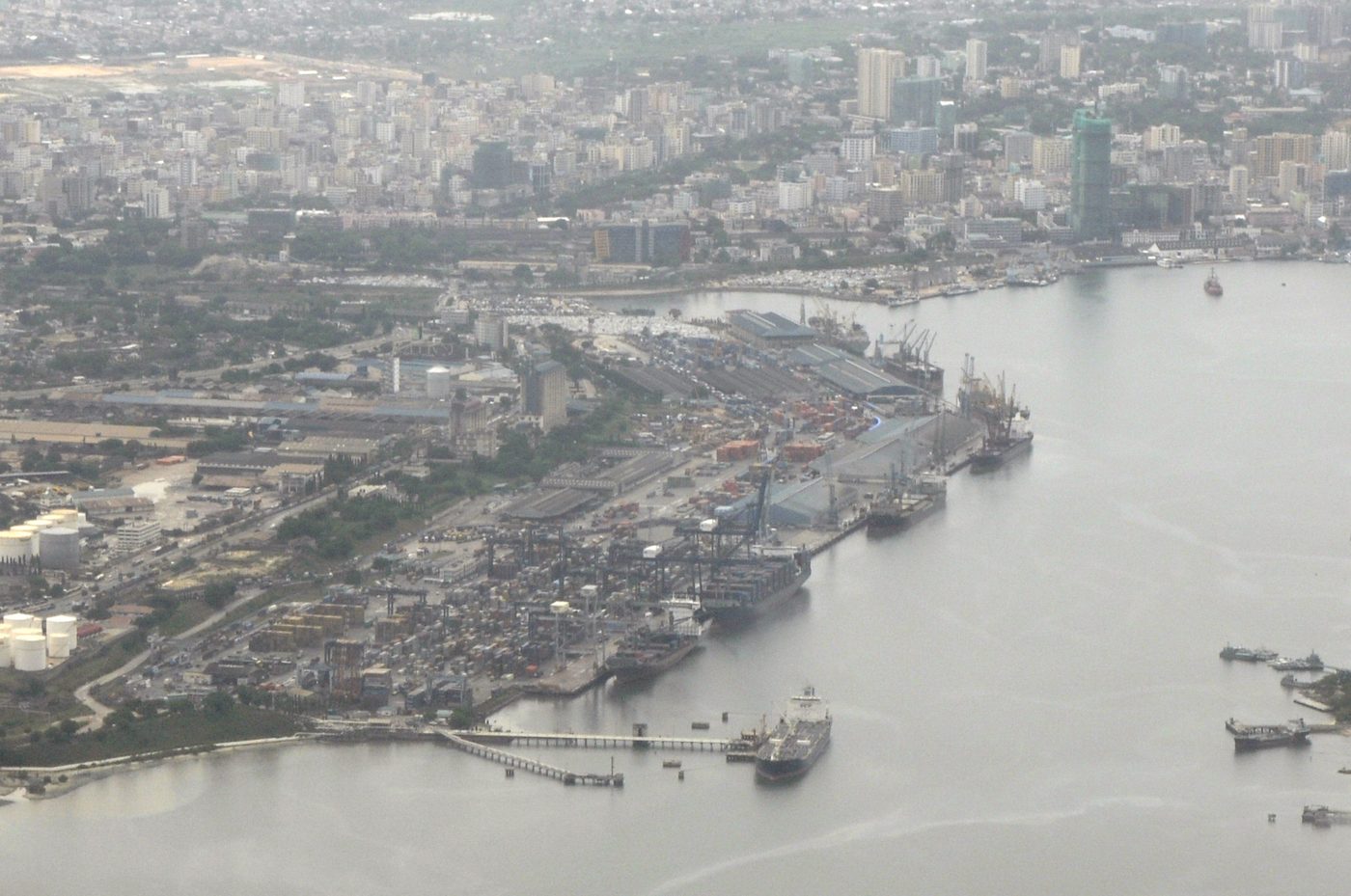
Ocean freight, port handling and inland transport are usually the largest variable costs after the vehicle itself. A direct exporter can give you a clear breakdown of each leg and advise on routing to your destination port. A broker may add a coordination fee on top of third-party logistics charges.
Ask for the proposed route, the port of loading and the destination port before you compare quotes. Transit times vary by route and season, and the export desk confirms them per order. For destination guidance across Africa, the Middle East, Central Asia and Latin America, see /destinations/.
Documents and destination compliance
Every export shipment needs a core document set: export invoice, packing list, bill of lading and certificate of origin. Destination markets may require additional conformity or inspection documents. A direct exporter should confirm which documents apply to your market before deposit, not after shipment.
Brokers sometimes outsource each document to a different agent, which can create gaps. Ask for a written document list for your order and confirm who prepares each item. If you are new to the process, the import guide at /import explains the sequence from inquiry to delivery.
Inspection before deposit
Third-party inspection before deposit is available on RuggedRides Export orders. For used units, this is the practical way to verify condition, mileage, configuration and that the vehicle matches its stock number and photos. For new units, inspection can confirm specification and accessories before shipment.
Confirm the scope of inspection in writing: what is checked, who performs it and what report you receive. A broker may use an independent inspector at a premium, so compare the scope rather than the label.
Payment structure and security
Payment terms should match the order stage. A common structure is a deposit against a proforma invoice, with the balance against documents or before shipment. For larger fleet orders, documentary credit may be appropriate. The export desk confirms the accepted payment methods and bank details for each order.
Always pay to a corporate account named on the proforma invoice. Be cautious with requests for payment to personal accounts or unconventional channels. If a seller cannot explain the payment flow clearly, treat it as a warning sign.
Hidden cost checklist
Use this checklist when comparing a direct exporter and a broker. It focuses on process, not on figures, because duty rates, VAT, freight and transit times vary by order and are confirmed by the export desk.
- Vehicle price: Is the source disclosed, and is the unit in stock?
- Service or coordination fee: Is it stated separately and in writing?
- Logistics: Are ocean freight, port handling and inland transport itemized?
- Documents: Is there a complete list for your destination market?
- Inspection: Is the scope and report defined before deposit?
- Payment: Are bank details on a corporate proforma invoice?
- After-sales: Who handles warranty questions and spare parts?
New pickups and used LHD 4x4 SUVs
RuggedRides Export is operated by Anhui Zhongsu Luosi Automobile Sales Co., Ltd in China. We export new China pickup trucks and 4x4 off-road SUVs from brands including GWM, JAC, Foton, Dongfeng, JMC, Maxus, ZX Auto and Changan. New models have FOB ranges; used units are price on request. All vehicles are LHD; we do not supply RHD.
For new pickups, start with /pickups/. For new 4x4 SUVs, see /4x4/. Representative models include the Tank 300, BJ40, Patrol, Land Cruiser 300 / Prado 250 and Land Cruiser 70. For used Prado units, see /4x4/prado-used.
How to verify a direct exporter
Not every company that calls itself a direct exporter controls the supply chain. Use these practical checks.
Positive signals
- A physical office and stock location in China that you can visit or verify.
- Real photos and stock numbers for used units, and VIN disclosure on request.
- A written cost breakdown that separates vehicle, logistics and documents.
- Experience shipping to your destination market and a clear document list.
Warning signs
- Full payment requested upfront without a contract or proforma invoice.
- Refusal to disclose VIN, stock number or actual unit photos.
- Vague fees described only as handling or service without explanation.
- Pressure to use non-standard payment channels.
Fleet buyer workflow
- Define the model, configuration and quantity, and confirm LHD requirement.
- Request stock confirmation, real photos and a written FOB range for new units, or a price on request for used units.
- Confirm the destination document list and inspection scope before deposit.
- Agree payment stages and receive a proforma invoice with corporate bank details.
- Complete third-party inspection before deposit where required.
- Confirm shipping route and document handover, then track the shipment to destination.
For questions on a specific market or model, the /answers/ section covers common sourcing topics. You can also use the /calculator/ to organize your order assumptions, and the /contact page to reach the export desk.
Duty rates, VAT, transit times and warranty terms vary by order and are confirmed by the export desk. Compare sellers on process, documentation and accountability, not only on the headline vehicle price.
For dealers and fleet buyers, the direct exporter versus broker decision is ultimately about control. A seller that can show stock, explain documents, arrange inspection and confirm payment terms in writing gives you a verifiable basis for repeat orders. Start with the used LHD 4x4 stock at /4x4/ or the new pickup range at /pickups/, and ask the export desk to confirm the details for your order.