RuggedRides Export
 English
 Français
 العربية
 Português
 Русский
 Español
 Deutsch
 Indonesia
If you are sourcing new China pickup trucks or 4x4 off-road SUVs for resale or fleet use, you will quickly run into two labels: China-spec and export-spec. The difference is not cosmetic. It affects whether a vehicle can be registered at your destination, whether its software works in your market, and who stands behind it after delivery. This post explains what the two terms mean in practice and gives you a checklist for confirming configuration before you commit.
What China-Spec Actually Means
China-spec vehicles are built to Chinese national standards for safety, emissions and electromagnetic compatibility, and configured for domestic buyers. That can include a Chinese-language infotainment interface, navigation tied to local map providers, and software or telematics services that depend on Chinese networks.
None of this means the hardware is inferior. Many of the same models are built on the same lines and sold in multiple markets. The issue is configuration: a China-spec unit may not carry the certification, language pack or service support your market requires. Treat China-spec as a domestic configuration, not as a quality grade.
What Export-Spec Means
Export-spec vehicles are configured for markets outside China. In practice this can involve a different language pack, navigation suited to the destination, engine or cooling calibration for local fuel and climate, and documentation prepared for the importing country's registration process.
The term is used loosely in the trade, so verify rather than assume. Some units are genuinely tailored; others are domestic vehicles with minor changes. Ask for the specific configuration list in writing, and confirm which documents will be issued with the shipment.
Where the Real Differences Appear
1. Registration and conformity documents
The most important difference is paperwork. A domestic configuration is not automatically registrable abroad. Most importing markets require some form of pre-shipment conformity verification or a certificate accepted by their customs and vehicle authority. The exact scheme, the testing body and the lead time depend on the destination and change over time.
Before you commit, confirm with your import agent which certificate your market accepts, who arranges it, and whether it is issued per shipment or per model. Our export desk confirms the applicable document set per order, and you can review general requirements on our import page and answers section.
2. Software, language and connectivity
Infotainment and telematics are a common source of after-sales complaints. Confirm the interface languages available, whether smartphone mirroring works, whether over-the-air updates function outside China, and whether any connected services will simply stop working at your destination. For fleet buyers, also confirm whether telematics hardware can be integrated with your own tracking platform.
3. Hardware calibration
Suspension tuning, cooling capacity, filtration and cold- or hot-climate packages can differ between domestic and export configurations. If your market has high ambient temperatures, heavy dust, poor fuel quality or long unpaved routes, state these conditions early so the configuration can be matched to them rather than corrected later.
4. Warranty and parts support
Warranty terms vary by model, market and order, and are confirmed by the export desk in writing. Ask two questions: what is covered, and where can the buyer obtain parts? For fleet operators, parts availability usually matters more than the headline warranty period.
New and Used: Two Different Buying Processes
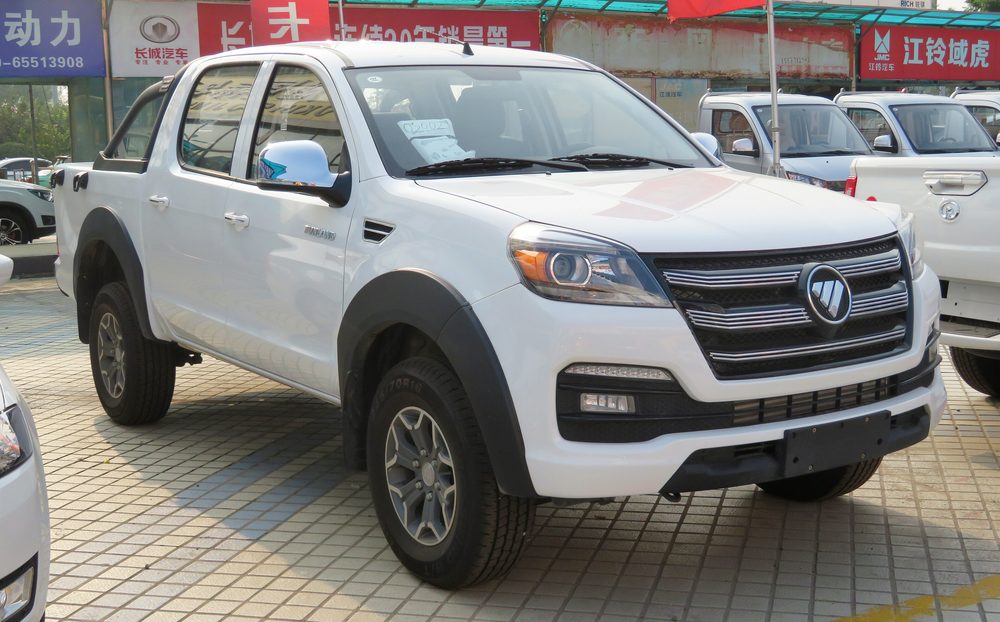
For new vehicles, we supply new China pickup trucks and 4x4 off-road SUVs from brands including GWM, JAC, Foton, Dongfeng, JMC, Maxus, ZX Auto and Changan. New models are quoted with FOB ranges that the export desk confirms against your specification and quantity. Browse the current ranges on our pickup trucks and 4x4 SUV pages.
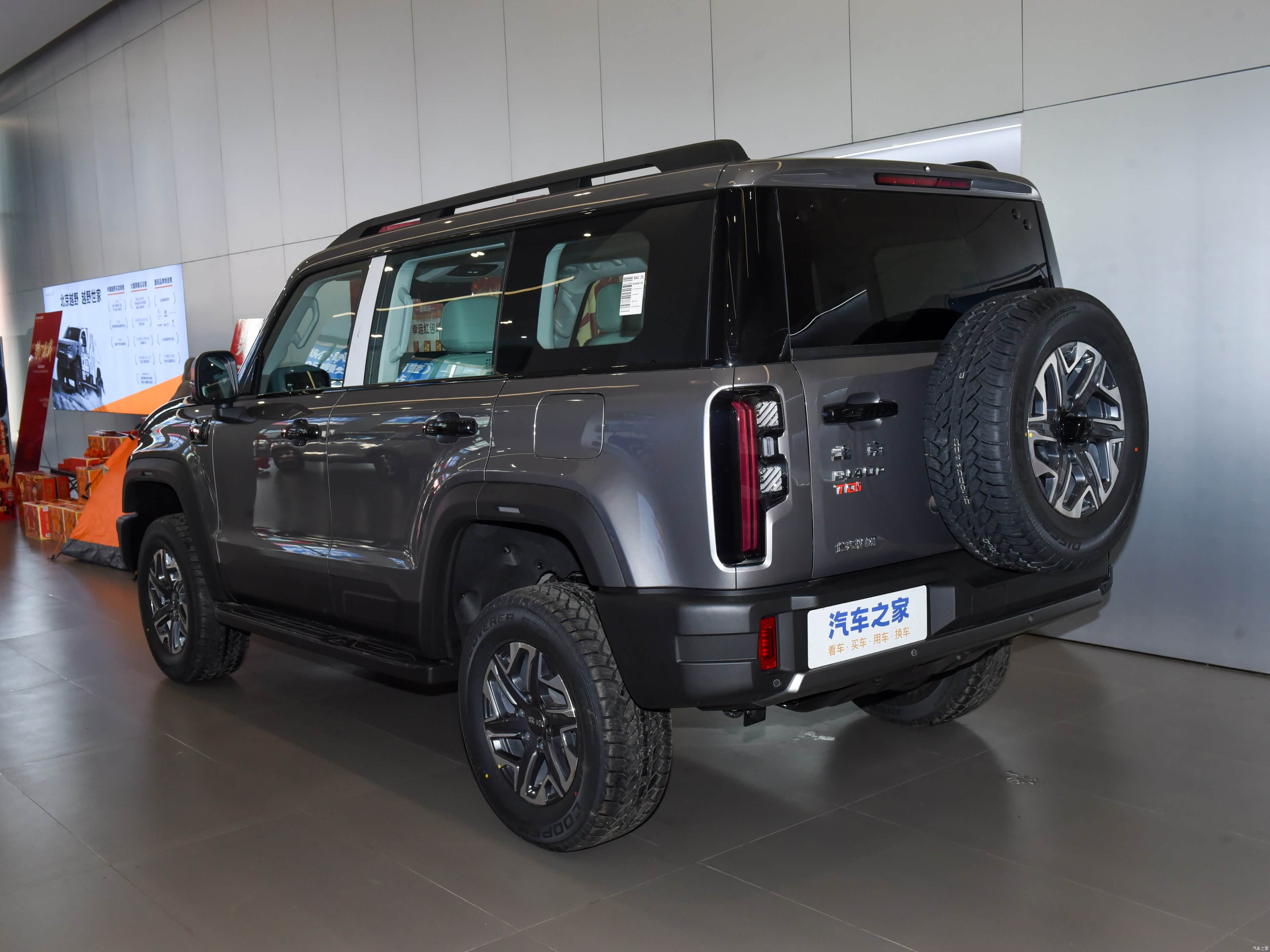
For buyers who need units quickly or want to avoid a factory lead time, we also hold a physical used LHD 4x4 stock. Every unit carries a stock number and real photographs, so you can inspect what you are buying rather than a representative image. Current used stock includes the Tank 300, Prado (2016-2019), BJ40, Land Cruiser, Patrol, Wrangler and Gladiator. Used units are priced on request. See the used LHD 4x4 stock, or individual listings such as the Tank 300 4x4, BAIC BJ40 4x4, Nissan Patrol, Land Cruiser 300 / Prado 250, Land Cruiser 70 and the used Prado listing.
All vehicles we supply are left-hand drive. We do not supply right-hand drive units.
Documents You Should Expect
A standard export shipment is accompanied by an export invoice, packing list, bill of lading and certificate of origin. Depending on your market, additional conformity or inspection documents may be required. Confirm the full document list before the deposit is paid, because missing paperwork at destination is far more expensive than confirming it at the start.
Inspection Before Deposit
Third-party inspection before deposit is available. For used units this is strongly recommended: an independent inspection of the actual stock number protects both sides and reduces disputes after arrival. For new vehicles, inspection can confirm specification and accessories against the order sheet.
A Practical Checklist for Dealers and Fleet Buyers
- Destination first. Confirm which conformity documents your market accepts and who issues them.
- Configuration in writing. Request the language pack, software features, climate package and any calibration differences in the quotation.
- Warranty scope. Confirm what is covered, for how long, and who performs the work locally.
- Parts plan. Identify fast-moving parts and agree how they will be supplied.
- Inspection. Book third-party inspection before deposit, especially for used stock.
- Landed cost. Duty, VAT and local charges vary by order and destination; the export desk confirms them per order. Use the calculator for a working estimate, then verify.
- Shipping plan. Transit times vary by route and season and are confirmed per order. Review destination notes on our destinations page.
Common Mistakes to Avoid
- Assuming a domestic configuration will register without additional conformity work.
- Buying on a representative photo instead of the actual stock number and its real photos.
- Leaving language, software and telematics questions until after arrival.
- Comparing FOB prices without comparing the document set and warranty included.
- Paying a deposit before inspection arrangements are agreed.
We ship to 30 markets across Africa, the Middle East, Central Asia and Latin America. Duty rates, VAT, transit times and warranty terms vary by order and are confirmed by the export desk.
Next Step
Tell us your destination, volume, preferred models and whether you want new or used stock. We will confirm the configuration, document set and commercial terms for your order. Contact the export desk to start, or review the pickup range and 4x4 SUV range first.