 English
 Français
 العربية
 Português
 Русский
 Español
 Deutsch
 Indonesia
Standard export documentation includes commercial invoice, packing list, bill of lading, certificate of origin, and any destination-specific compliance paperwork we identify during the order.
Every export ships with a complete, compliant document set so your unit clears destination customs without a paperwork hold-up. Here is what we provide as standard, and what each document does.
Standard export documentation
- Commercial invoice — itemised value for customs and payment records; the figure customs assesses duty against.
- Packing list — vehicle details, VIN and shipment contents.
- Bill of lading (B/L) — the transport contract and proof of shipment; also your tracking instrument.
- Certificate of origin — confirms the vehicle's country of manufacture (China), which matters for tariff treatment in some markets.
- Export licence / customs declaration — the China-side export clearance documents.
- VIN / chassis records — for manufacture-year verification at the destination (critical for age-limit rules like Tanzania's 8-year cap and Kenya's 2019+ window).
What the destination may add
| Market | Additional requirement |
|---|---|
| Nigeria | SONCAP pre-shipment inspection for certain goods categories |
| Kenya | KEBS inspection (though LHD stock is excluded regardless) |
| Ethiopia | ICE-vehicle eligibility confirmation before shipment |
We flag these before shipment so nothing is missing at the port.
Why complete documents matter
Incomplete paperwork is the most common cause of destination-side delays and storage fees — a missing VIN record or an incorrect invoice value can hold a unit at the port for days while fees accrue. Our set is designed to clear first time, and the B/L is shared the moment it issues so you can track the unit from departure to arrival.
Read how long the export process takes for the full order-to-arrival timeline.

Farizon FX
Introducing the Farizon FX, a brand-new pickup truck sourced directly from the factory with zero mil…
Get Price on WhatsApp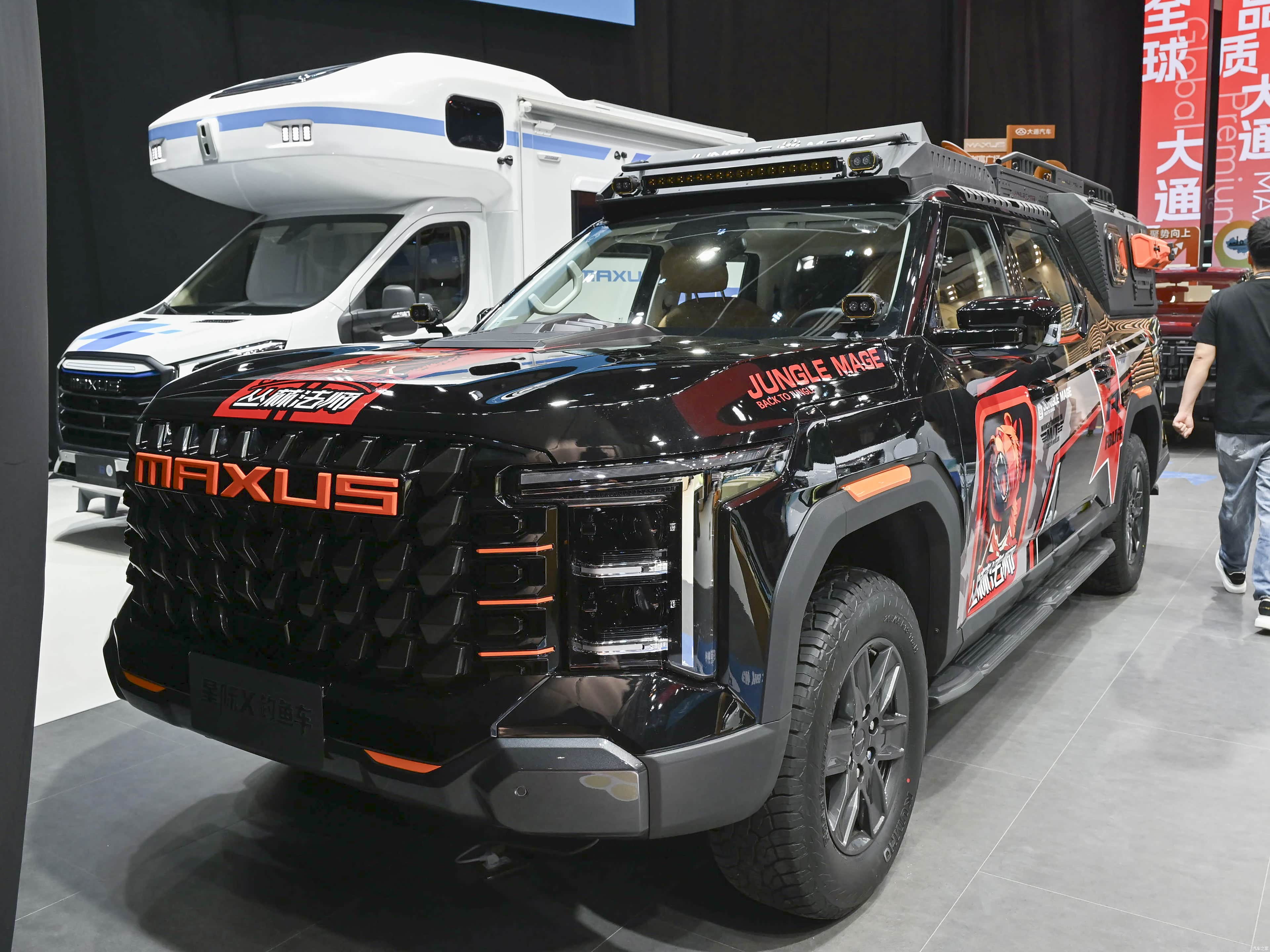
Maxus Terron 9
Maxus Terron 9 – New 2.5T Automatic Pickup. This is a brand-new, factory-produced unit with zero mil…
Get Price on WhatsApp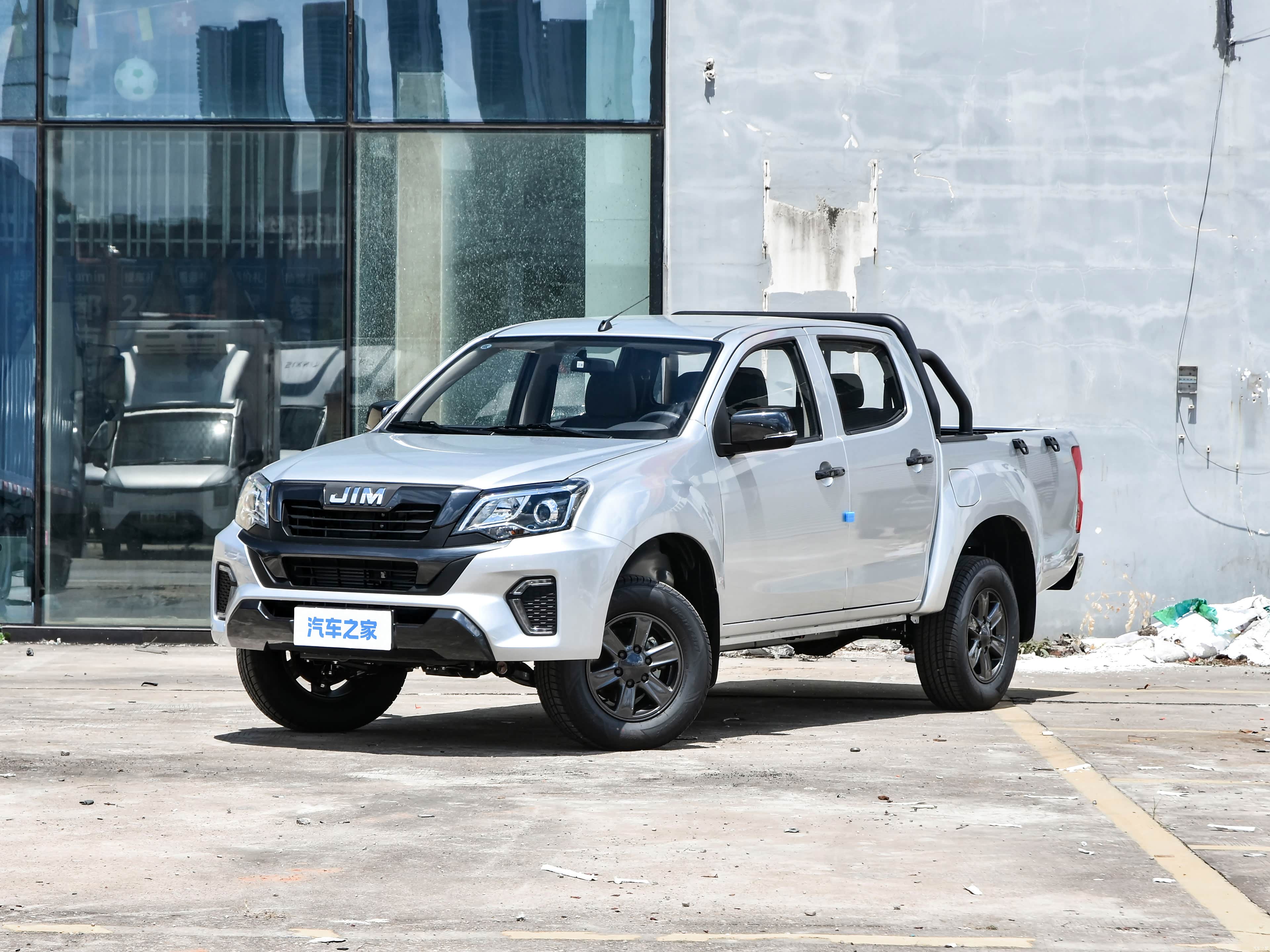
Jiangxi Isuzu RE-MAX
The Jiangxi Isuzu RE-MAX is a brand new, factory-produced pickup truck with zero mileage, available …
Get Price on WhatsApp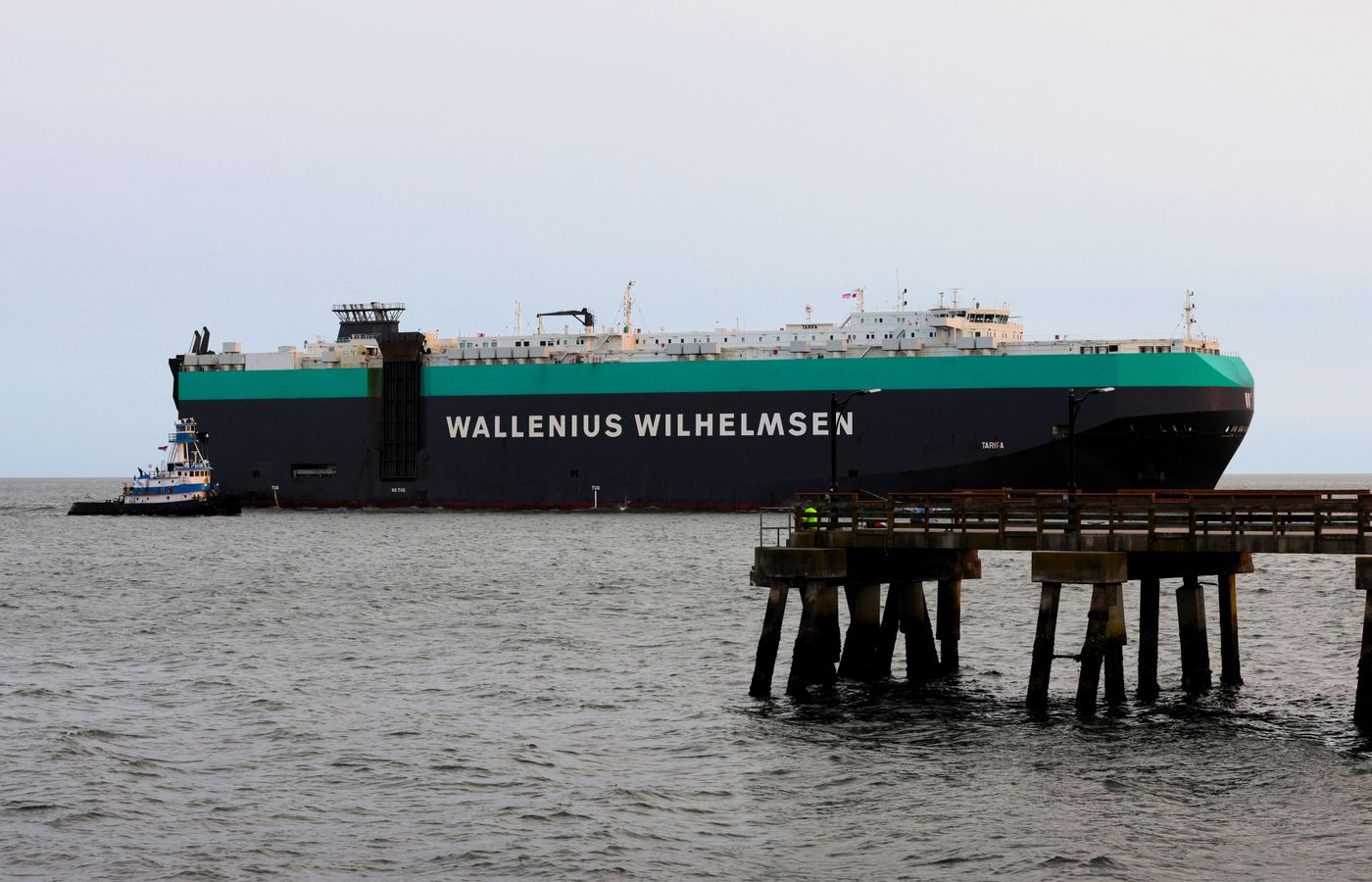
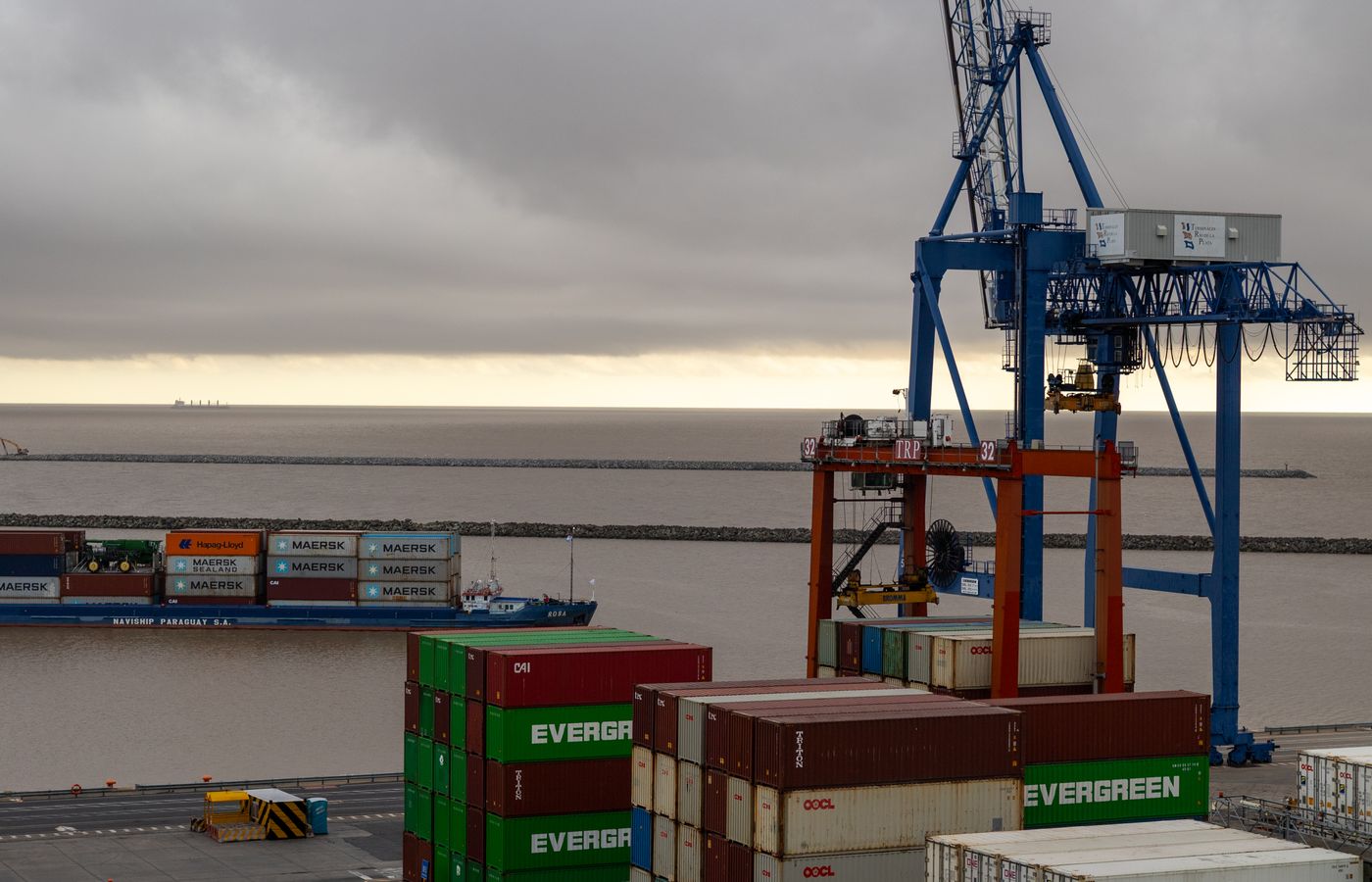
Should I ship by container or RoRo (Roll-on/Roll-off)?
RoRo is typically cheaper per unit for standard vehicles with no aftermarket parts loaded, while containers protect the vehicle better and let you ship parts/accessories alongside it — our calculator lets you compare both.
How long does the export process take from order to arrival?
Typical timelines run several weeks for production/sourcing plus 3-6 weeks of ocean freight depending on destination port, though exact timing depends on vehicle availability and route.