 English
 Français
 العربية
 Português
 Русский
 Español
 Deutsch
 Indonesia
RoRo is typically cheaper per unit for standard vehicles with no aftermarket parts loaded, while containers protect the vehicle better and let you ship parts/accessories alongside it — our calculator lets you compare both.
You can ship China-to-destination either in a container or RoRo (roll-on/roll-off), and the right choice is a trade-off between cost-per-unit and protection. Here is how both work, with our real freight figures for the priority destinations.
Container shipping
- Protection: enclosed, so vehicles are shielded from weather and handling.
- Consolidation: several units share one container (typically three to four pickups), cutting per-unit freight.
- Best for: new or high-value units, multiple-unit orders, theft-sensitive routes.
RoRo shipping
- Cost: often the cheaper per-unit rate for a single vehicle.
- Simplicity: the vehicle is driven on and off the vessel.
- Trade-off: the vehicle sits on an open deck and is driven by port handlers, so it is less protected than a container.
Real freight comparison (per vehicle, USD)
| Destination | RoRo | Container | Clearing |
|---|---|---|---|
| Nigeria | $900 | $1,800 | $380 |
| Ethiopia | $950 | $1,900 | $400 |
| Tanzania | $850 | $1,700 | $350 |
Which should you pick?
| Scenario | Recommendation |
|---|---|
| Single used vehicle, lowest cost | RoRo |
| New vehicle or several units together | Container |
| High-value 4x4, long ocean leg | Container |
Note the container number is per-vehicle-slot; when you fill a container with several units, the effective per-unit cost can beat RoRo even for a single-unit comparison. We quote both options with every vehicle so you can compare the landed difference for your route.
See how long export takes for the timeline either way.
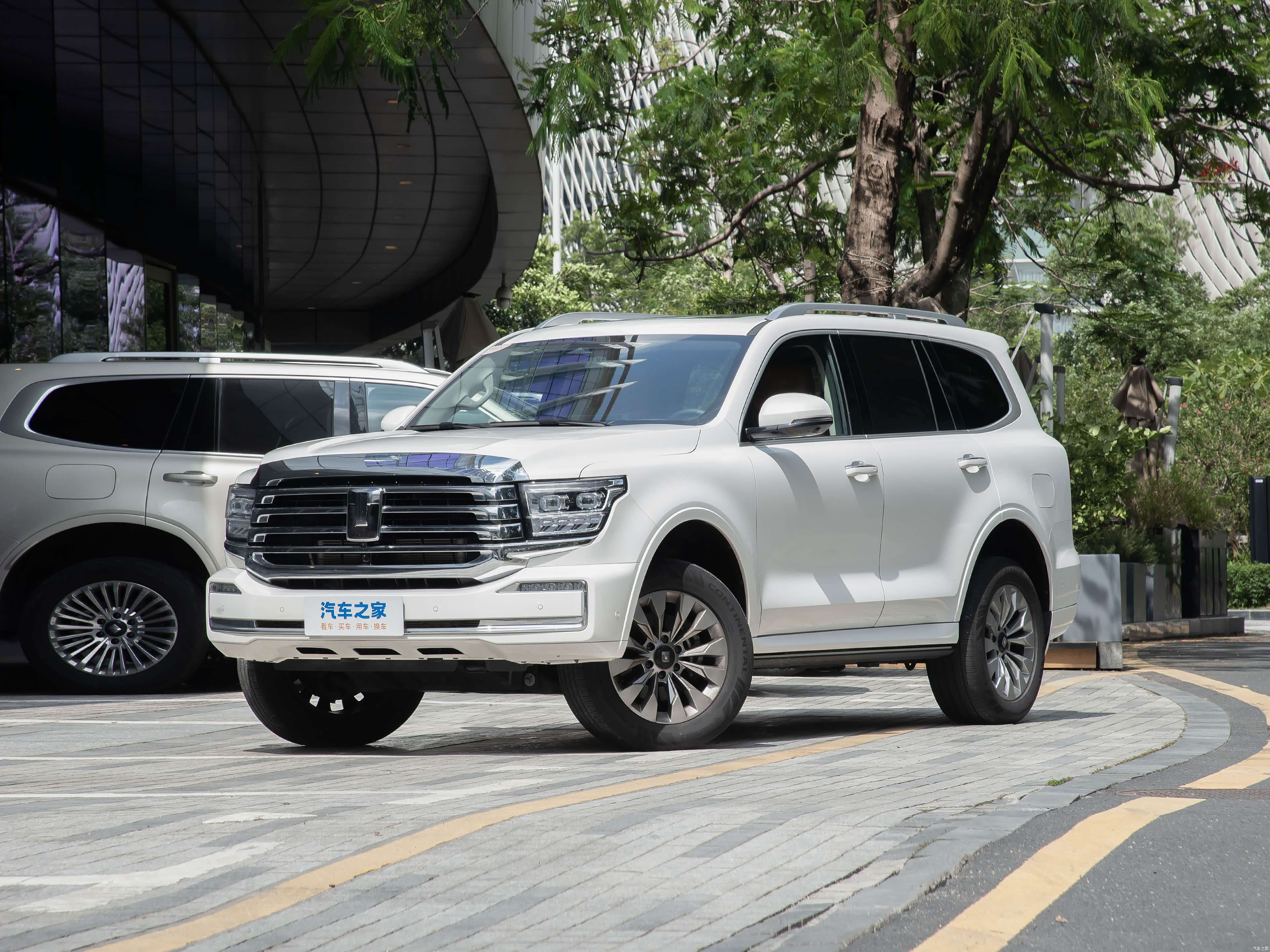
GWM Tank 500 2026 3.0T Petrol
The 2026 GWM Tank 500 is a brand-new, full-size luxury SUV offered by RuggedRides. It is powered by …
Get Price on WhatsApp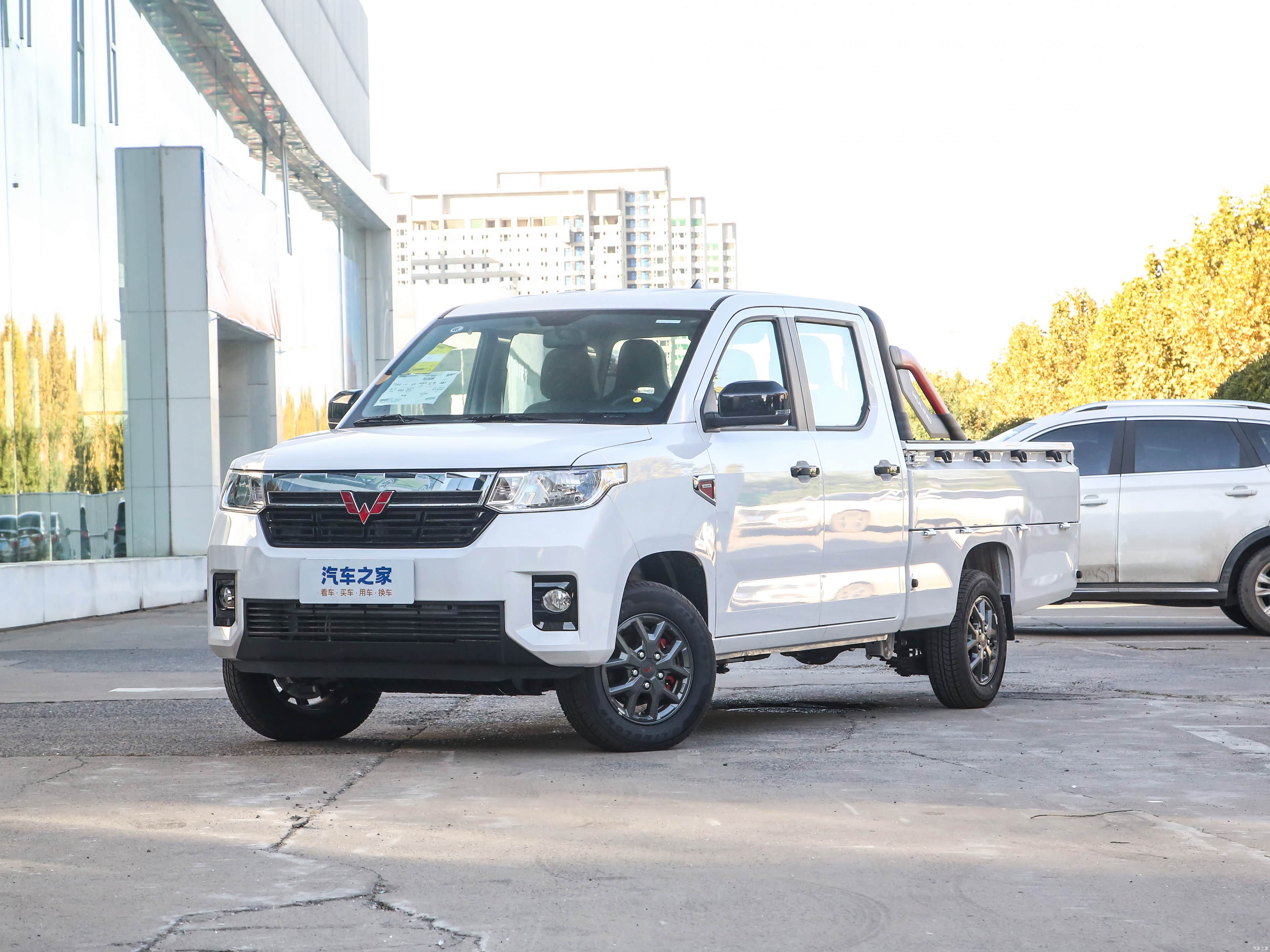
Wuling Zhengtu
The Wuling Zhengtu is a brand-new, factory-fresh pickup truck available from RuggedRides, a leading …
Get Price on WhatsApp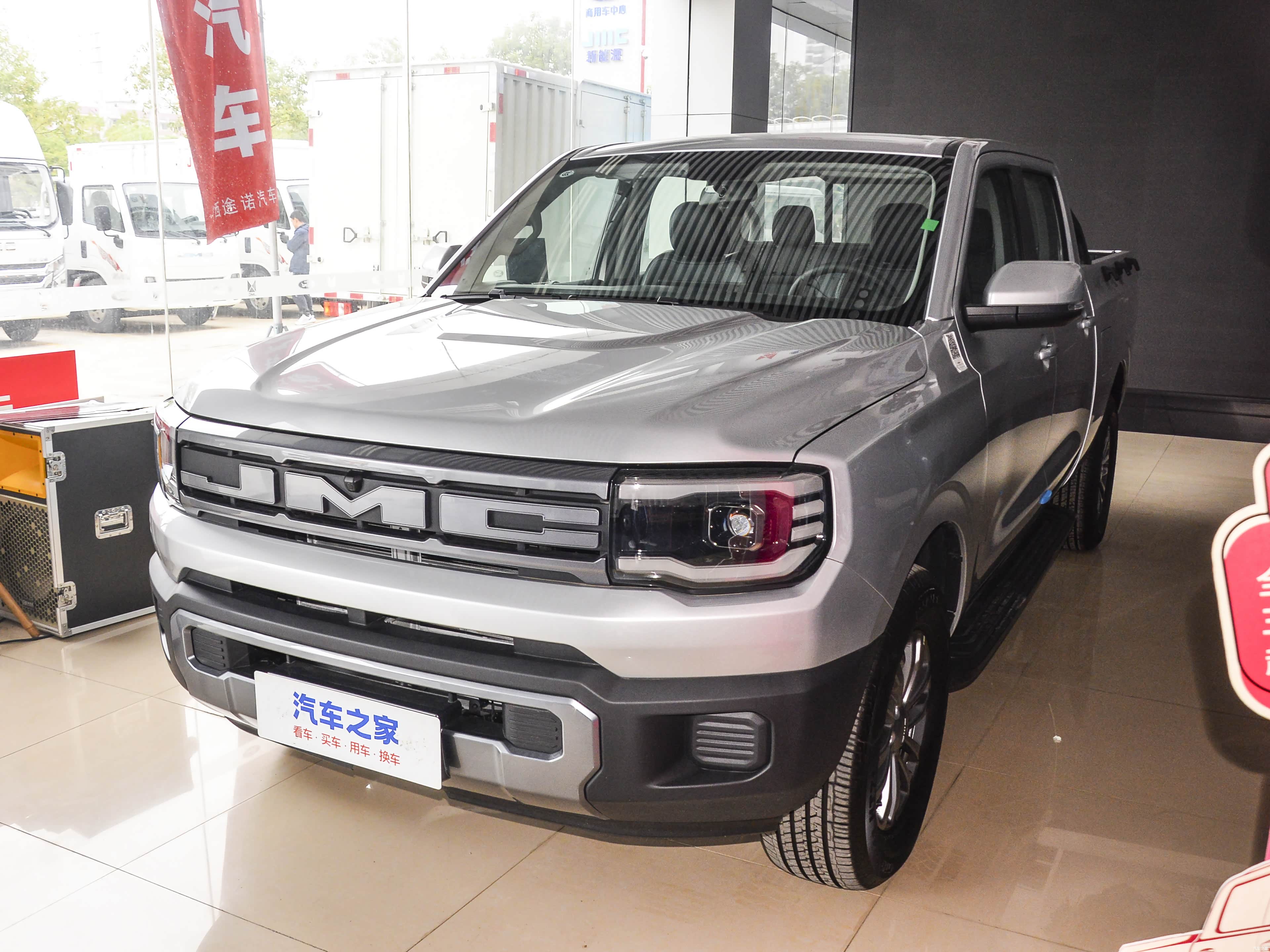
JMC Vigus
The JMC Vigus is a brand-new, factory-fresh pickup truck available in both Manual and Automatic tran…
Get Price on WhatsApp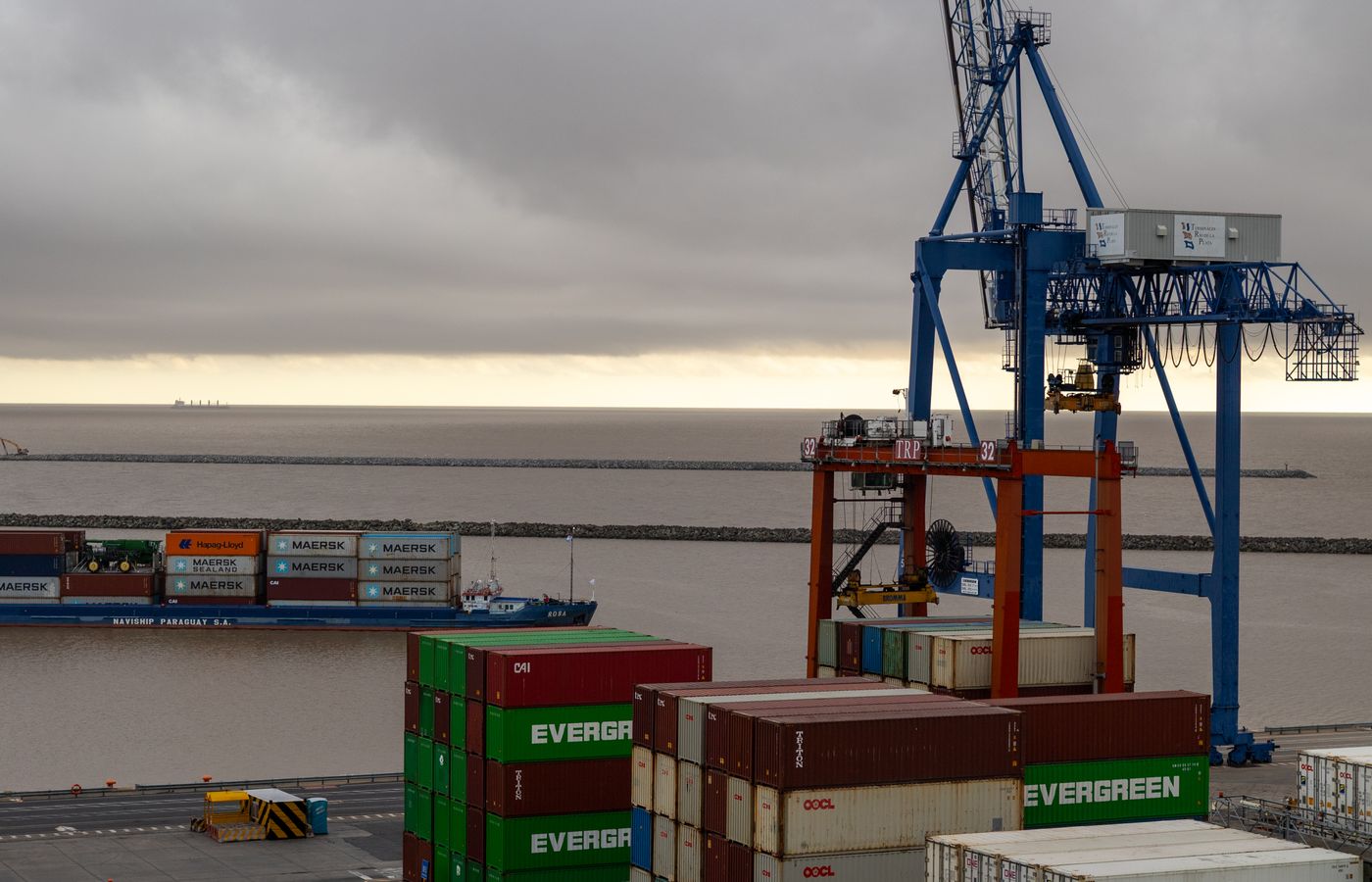
How long does the export process take from order to arrival?
Typical timelines run several weeks for production/sourcing plus 3-6 weeks of ocean freight depending on destination port, though exact timing depends on vehicle availability and route.

What export documentation do you provide?
Standard export documentation includes commercial invoice, packing list, bill of lading, certificate of origin, and any destination-specific compliance paperwork we identify during the order.